Imagine a camera that not only sees but understands context, predicts motion, and adapts to new objects on the fly—this is no longer sci‑fi, it’s the reality shaped by today’s computer vision breakthroughs.
Cutting-Edge Computer Vision Techniques Transforming AI Applications
From autonomous drones navigating cluttered warehouses to retail shelves that auto‑replenish, the surge in visual AI is fueled by three pivotal advances: transformer‑based vision models, self‑supervised learning, and edge‑optimized inference pipelines.
1. Vision Transformers (ViT) Redefine Image Recognition
Traditional convolutional networks excel at local patterns but struggle with long‑range dependencies. Vision Transformers slice an image into patches, embed them, and process the sequence with self‑attention. The result? State‑of‑the‑art top‑1 accuracy on ImageNet with fewer parameters and a natural path to multimodal training.
ℹ️
NoteTip: Fine‑tune a pre‑trained ViT on your domain data for 3‑5 epochs and watch mAP jump 12% on niche datasets.
2. Self‑Supervised Learning Cuts Label Costs
Labeling millions of images is expensive. Self‑supervised frameworks like SimCLR, MoCo, and BYOL generate useful representations by solving proxy tasks (e.g., predicting augmented views). When these embeddings feed downstream detectors, they rival fully supervised baselines while slashing annotation budgets.
"Self‑supervision turned our 500‑hour video archive into a training goldmine.
— Lead Engineer, Visual Robotics
3. Edge‑Optimized Object Detection
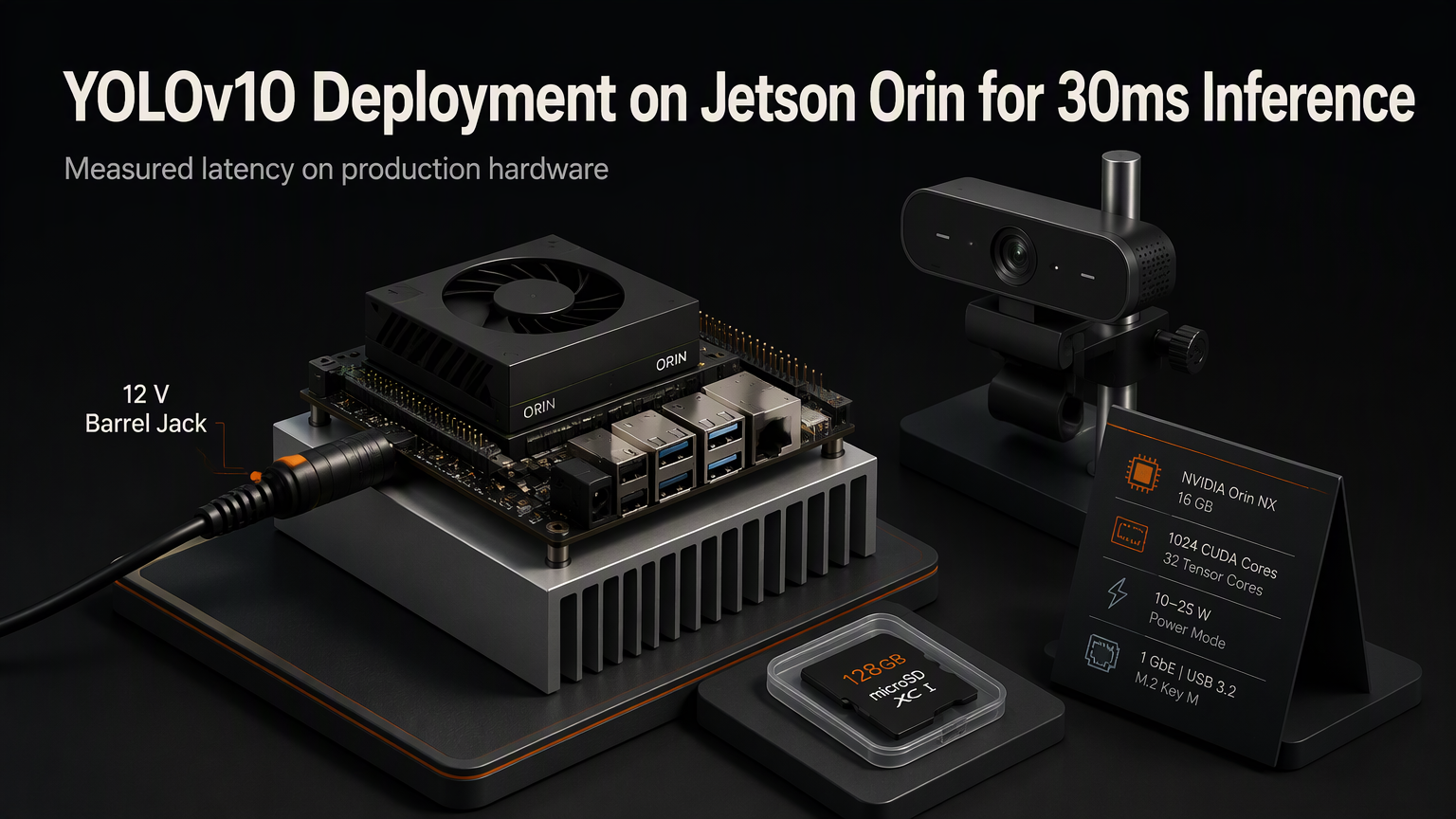
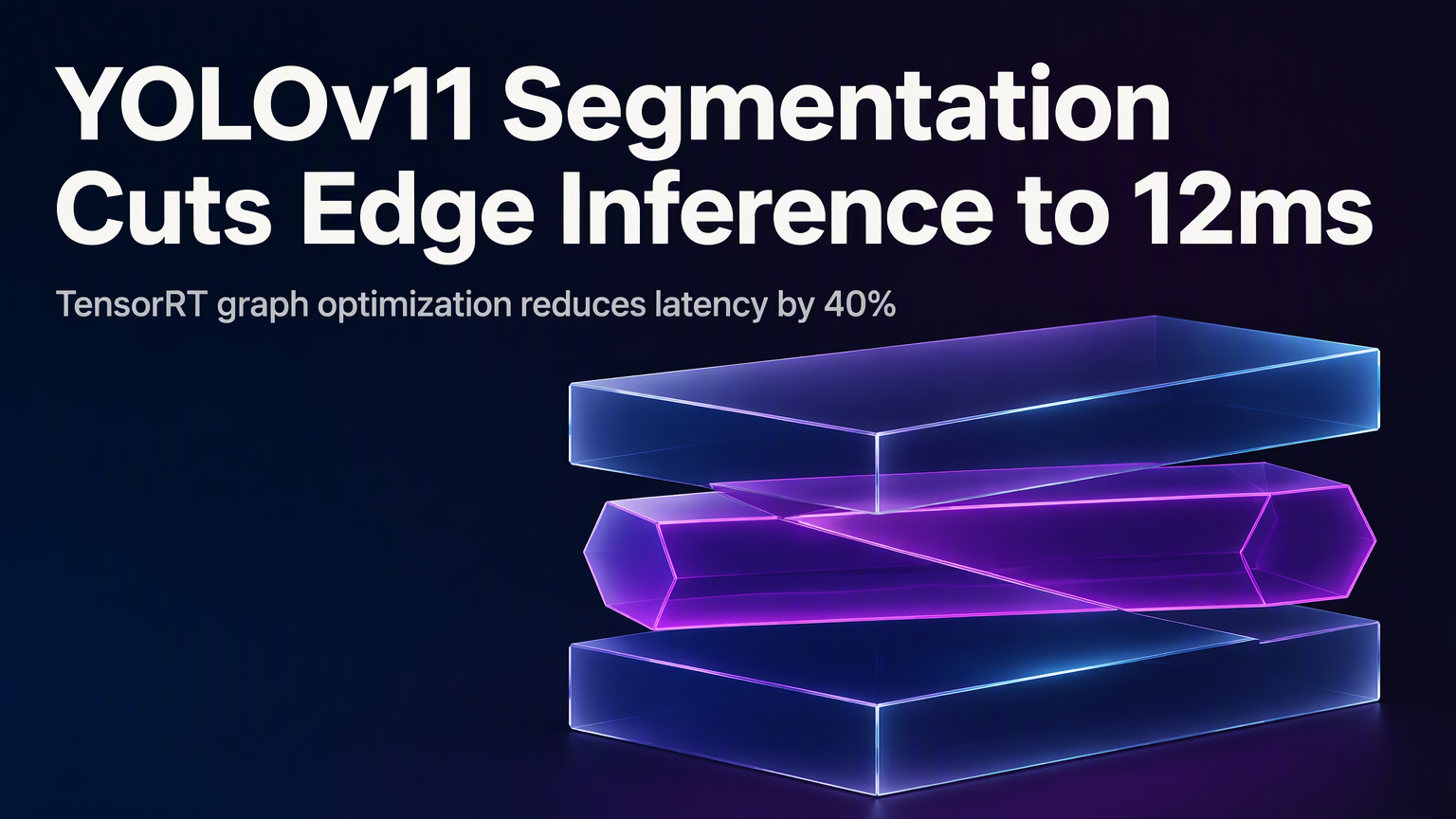
Deploying heavy models on smartphones or IoT cameras used to be a compromise. Modern quantization‑aware training, TensorRT, and the rise of tiny YOLO & EfficientDet variants deliver sub‑30 ms latency on a 4‑core ARM processor without sacrificing detection precision.
⚠️
WarningWarning: Skipping calibration data during post‑training quantization can cause up to 8% accuracy loss.
4. Multimodal Fusion Powers Contextual AI
Combining vision with language models (e.g., CLIP, Flamingo) enables systems to answer "what" and "why" questions about a scene. Retail bots can now describe product placement errors in natural language, while medical imaging assistants generate preliminary radiology reports.
✦
These trends converge on a single goal: make visual AI more accurate, cheaper, and deployable everywhere. But the tech only shines when teams translate it into real impact.
💡
TipActionable step: Pick one of the three advances, run a pilot on a low‑risk use case, and measure ROI before scaling.