Imagine a world where power bills shrink, air quality soars, and energy never runs out. That future isn’t a distant fantasy—it’s being built today by a wave of cutting‑edge renewable technologies.
Why Renewable Tech Matters Now
Solar Power Gets Smarter
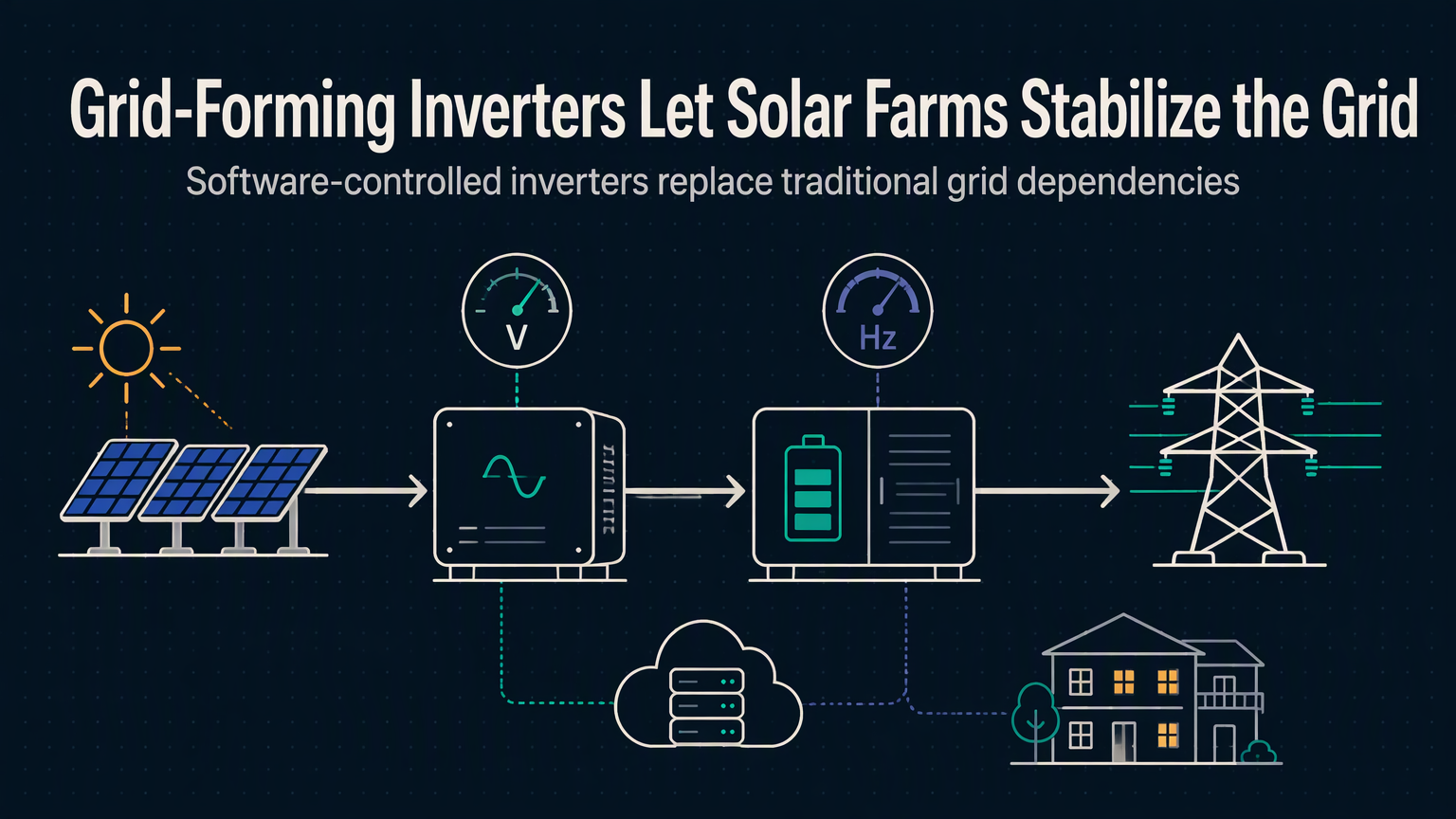
Traditional photovoltaic panels have come a long way, but the real breakthrough is in per‑cell optimization and bifacial designs. By harvesting light from both sides and using AI‑driven maximum power point tracking, modern solar farms now squeeze up to 30% more energy from the same footprint.
ℹ️
NoteIf you’re a homeowner, consider retrofitting with micro‑inverters. They boost rooftop output by up to 15% and make maintenance easier.
Wind Turbines Reach New Heights
Next‑gen wind turbines combine taller towers, larger rotors, and blade‑edge sensors that adjust pitch in real time. The result? Higher capacity factors even in low‑wind regions. Offshore farms are now experimenting with floating platforms, unlocking deep‑water sites that were previously off‑limits.
"The ocean is the last frontier for wind power, and floating turbines are our ticket there.
— Dr. Elena Ruiz, Marine Energy Lead
Energy Storage: From Batteries to Flow Cells
Battery costs have dropped below $100/kWh, but grid‑scale storage demands longevity and safety. Vanadium redox flow batteries offer near‑infinite cycle life, while solid‑state designs promise higher energy density without the fire risk of liquid electrolytes. Hybrid systems that pair lithium‑ion with flow cells are emerging as the sweet spot for reliability and cost.
💡
TipBusinesses looking to reduce peak demand should evaluate a 2‑hour lithium‑ion buffer combined with a 10‑hour flow‑cell backup.
Green Hydrogen: The Missing Link
Electrolyzers powered by surplus solar or wind generate hydrogen without carbon emissions. Recent advances in PEM (proton‑exchange membrane) technology have cut electricity consumption by 15% and improved start‑up times, making on‑site hydrogen production viable for heavy‑duty transport and industrial heat.
"Hydrogen is the energy carrier that lets us store renewable power for weeks, months, or even seasons.
— Liam Chen, CleanTech Analyst
Smart Grids Turn Data Into Power
IoT sensors, edge computing, and blockchain‑based transaction ledgers are converging to create grids that self‑balance. Real‑time demand response algorithms shift loads to times when renewable output peaks, while decentralized marketplaces let prosumers sell excess energy directly to neighbors.
✦
All these innovations are interlocking pieces of a larger puzzle. When solar farms pair with battery‑backed microgrids, wind turbines feed floating storage hubs, and green hydrogen fuels long‑haul trucks, the result is a resilient, low‑carbon energy ecosystem.
⚠️
WarningDon’t overlook regulatory hurdles. Early engagement with local utilities and policymakers accelerates deployment.
Take Action Today
Start small but think big. Audit your energy use, install a solar‑plus‑storage kit, and explore community wind or hydrogen projects. By aligning personal or corporate decisions with these emerging technologies, you become a catalyst for the sustainable future that’s already on the horizon.