When most Americans picture clean power, they still see rooftop panels or a lone wind turbine on a hill. In 2026 that image is outdated. New‑generation solar cells, floating offshore wind farms, and solid‑state batteries have crossed the scaling threshold, delivering more than 40% of U.S. electricity and reshaping how we generate, store, and consume energy.
A Renewable Revolution Is Already Here
Solar Power: From 22% to 28% in Six Years
Breakthroughs in perovskite‑silicon tandem cells have pushed conversion efficiencies past 30% in commercial modules. Because the new panels retain high output at temperatures that would cripple older silicon, utilities are installing them on desert‑scale farms and on the roofs of factories that previously couldn’t meet net‑zero goals. The result? A 6‑percentage‑point jump in solar’s share of the grid, while the levelized cost of electricity (LCOE) has fallen to under $0.03/kWh.
ℹ️
NoteIf you own a commercial building, retrofitting with tandem panels can cut your electricity bill by up to 45% within three years.
Floating Offshore Wind: Harnessing the Deep
Traditional fixed‑bottom turbines are limited to shallow waters, but the latest floating platforms—anchored by tension‑leg moorings—are thriving in depths of 60‑80 meters along the Atlantic and Gulf coasts. These turbines benefit from stronger, more consistent winds, delivering capacity factors above 55% compared with 35% for legacy onshore farms. The first 2‑GW floating cluster off New Jersey now powers roughly 1.5 million homes and has slashed regional carbon intensity by 12%.
"Floating wind has turned previously unusable ocean space into a massive clean‑energy reservoir.
— Maria Alvarez, Director, Oceanic Energy Alliance
Solid‑State Energy Storage: The Grid’s New Backbone
Solid‑state batteries, once a laboratory curiosity, now ship in 10‑minute‑swap containers that sit at substations and behind residential meters. Their higher energy density and intrinsic safety eliminate the fire risk associated with liquid electrolytes, while their 10‑year lifespan reduces replacement cycles dramatically. Across the Midwest, utilities report a 30% drop in curtailment during peak solar generation, thanks to these fast‑response storage units.
💡
TipHomeowners interested in backup power should look for battery systems that use solid‑state cells; they qualify for most state incentive programs.
Beyond Electricity: Green Hydrogen and Smart Grids
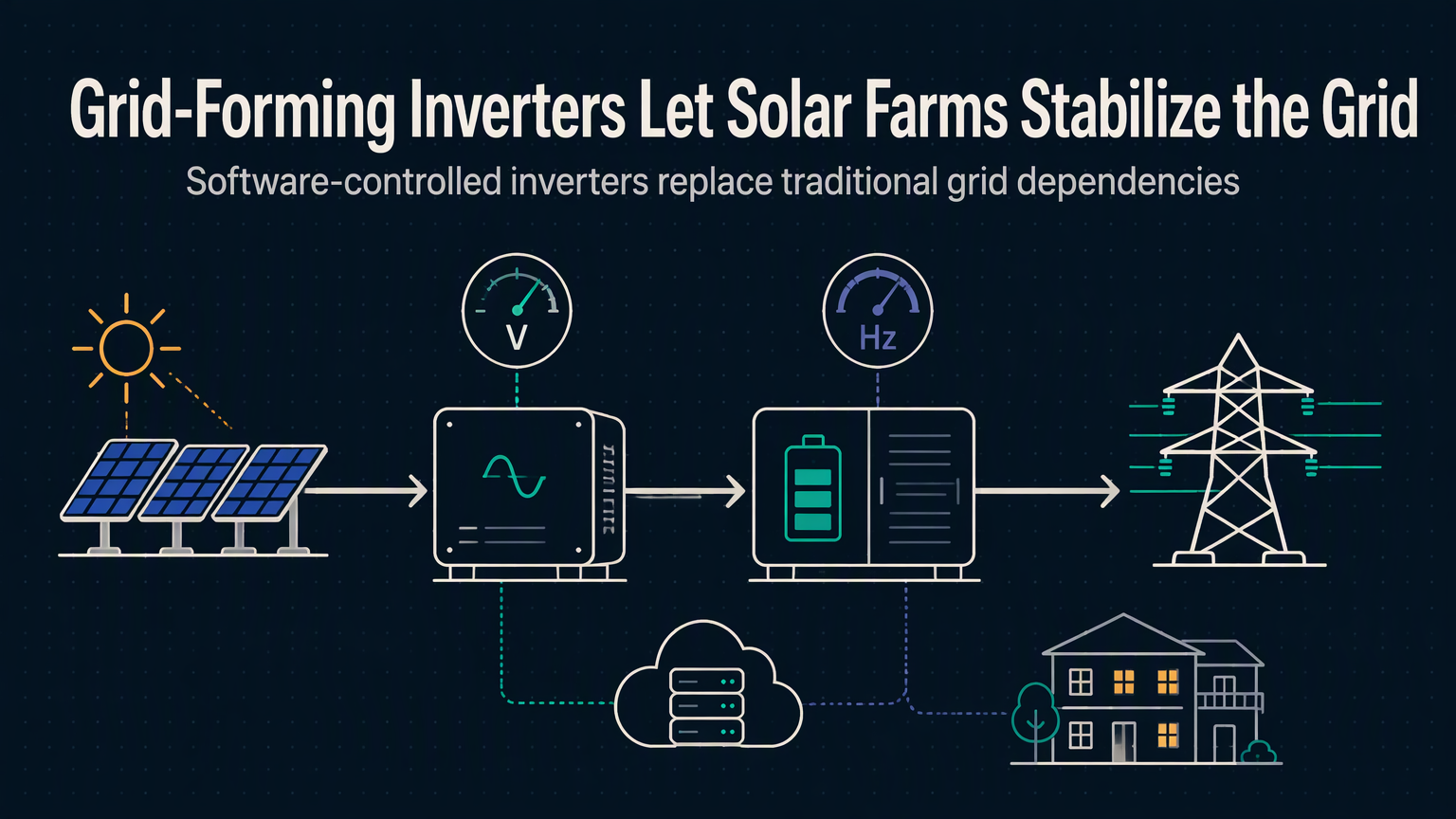
Excess renewable power is now being electrolyzed into green hydrogen at scale, feeding steel mills and heavy‑transport fleets that can’t yet go fully electric. Meanwhile, AI‑driven smart‑grid platforms balance supply and demand in real time, nudging appliances, EV chargers, and industrial processes toward off‑peak periods. The synergy of these technologies accelerates decarbonisation without sacrificing reliability.
✦
ℹ️
NoteTake action today: audit your energy use, upgrade to high‑efficiency solar, and partner with a utility that offers solid‑state storage options. Small steps add up to a national grid that’s cleaner, cheaper, and more resilient.