Imagine you could cut your learning curve in half and start shipping production‑grade services within months. That’s the promise of the one‑language, ecosystem‑first roadmap that dominates backend training today. By zeroing in on a single language—whether it’s Go, Rust, or TypeScript—you master the compiler, the standard library, and the most popular frameworks before layering on cloud‑native patterns, security hardening, and AI‑driven tooling.
Why the One‑Language Strategy Wins in 2026
Employers aren’t looking for jack‑of‑all‑trades; they want engineers who can own a service from database schema to observability dashboard. The market data shows a 42% salary premium for developers who can demonstrate end‑to‑end ownership of a microservice, and the “Master Backend Development in 2026” guide from Refonte Learning has become the de‑facto syllabus for that skill set.
Core Pillars of a Job‑Ready Backend Engineer
1. Modern Databases – Relational (PostgreSQL, CockroachDB) and NoSQL (MongoDB, DynamoDB) each have unique consistency models. Learn how to design schemas that minimize joins, leverage partitioning, and use indexes strategically. Benchmark queries with EXPLAIN ANALYZE to spot bottlenecks early.
2. Distributed Systems Fundamentals – Understand CAP theorem, consensus algorithms (Raft, Paxos), and eventual consistency. Build small‑scale clusters with Docker Compose to see leader election and fault tolerance in action.
3. Cloud Basics – Get comfortable with IAM, VPC networking, and managed services like managed Kafka or Pub/Sub. Focus on the “least privilege” principle and infrastructure‑as‑code tools such as Terraform.
4. Performance‑First Mindset – Profile CPU and memory with pprof (Go) or perf (Rust). Adopt lazy loading, connection pooling, and back‑pressure techniques to keep latency under 100 ms for 99.9% of requests.
Actionable Best Practices
"Write code as if the next person reading it will be your future self, not a reviewer.
— Anonymous
💡
TipStart each new service with a minimal API contract (OpenAPI or gRPC). Generate stubs, then iteratively expand. This guarantees backward compatibility and simplifies client integration.
API Design – Favor RESTful nouns for resources and use HTTP verbs consistently. When you need real‑time streams, default to server‑sent events (SSE) before jumping to WebSockets. Document rate limits and error codes up front.
Database Optimization – Adopt the “write‑once, read‑many” pattern for immutable tables; use materialized views for heavy analytics. Regularly run VACUUM or compact jobs to prevent table bloat.
Microservices vs. Serverless – Deploy low‑traffic utilities as serverless functions to reduce operational overhead. Keep stateful, high‑throughput components as containerized microservices behind a service mesh.
Security Hardening – Enforce TLS everywhere, rotate secrets using Vault, and run static analysis (e.g., GolangCI‑Lint, cargo-audit). Adopt a “defense‑in‑depth” checklist for each release.
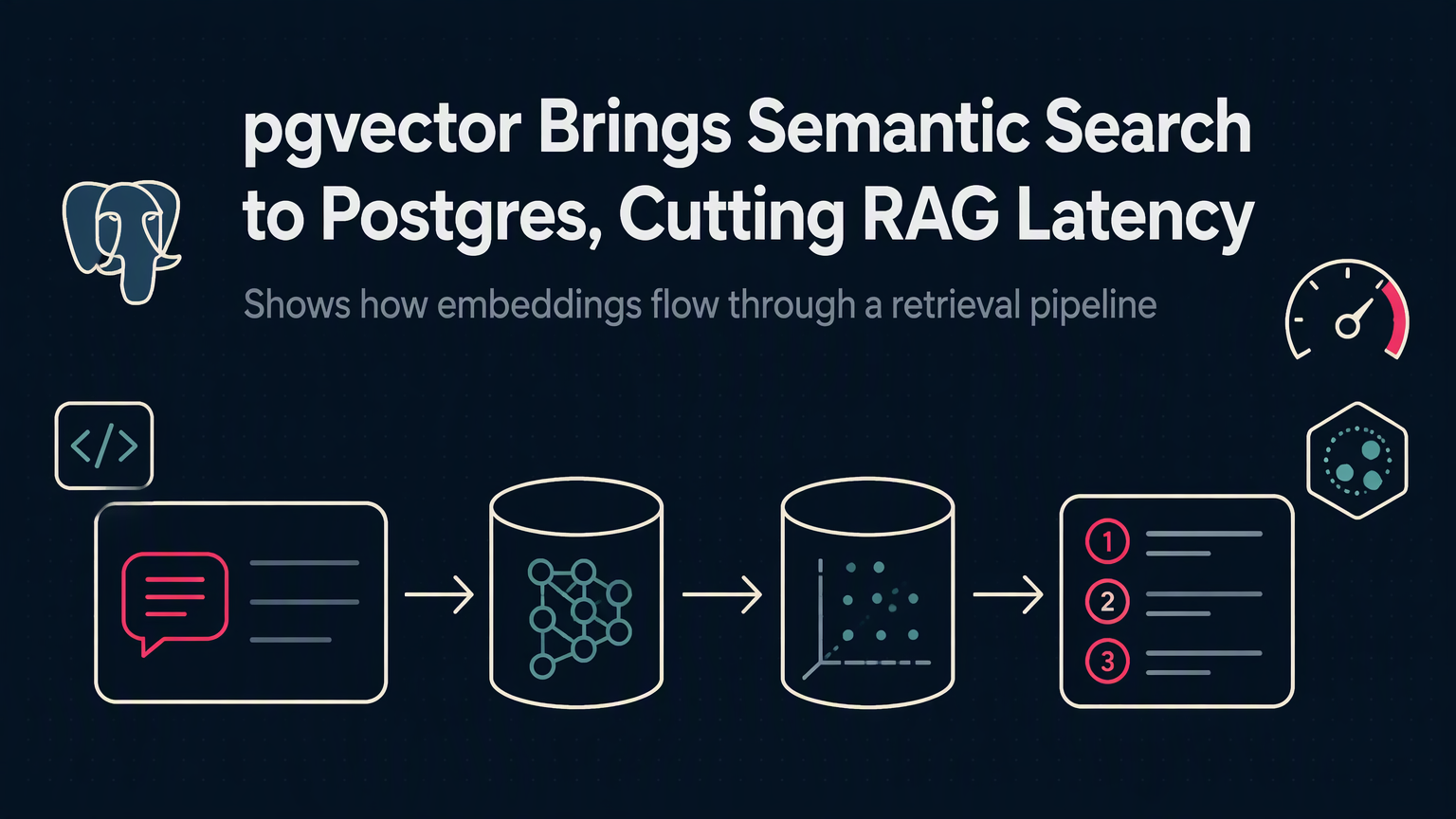
AI Integration – Leverage LLM‑powered code review bots and query‑generation assistants. Store embeddings in vector databases for semantic search, but keep the core business logic language‑agnostic.
✦
From Learning to Landing the Role
1. Build a portfolio of three services: a CRUD API with PostgreSQL, an event‑driven worker using Kafka, and a serverless webhook handler. Publish the code on GitHub with CI pipelines that run lint, test, and security scans.
2. Write a 500‑word post‑mortem for each project, highlighting latency improvements, scaling decisions, and security patches. Recruiters love data‑driven reflections.
3. Earn a badge from a recognized curriculum—Refonte’s “Master Backend Development in 2026” or an equivalent certification. Attach the badge to your LinkedIn profile and resume.
ℹ️
NoteThe fastest path to a full‑stack backend role is: pick a language → master its toolchain → ship three end‑to‑end services → showcase performance metrics. Follow that loop, and you’ll be interview‑ready in under six months.