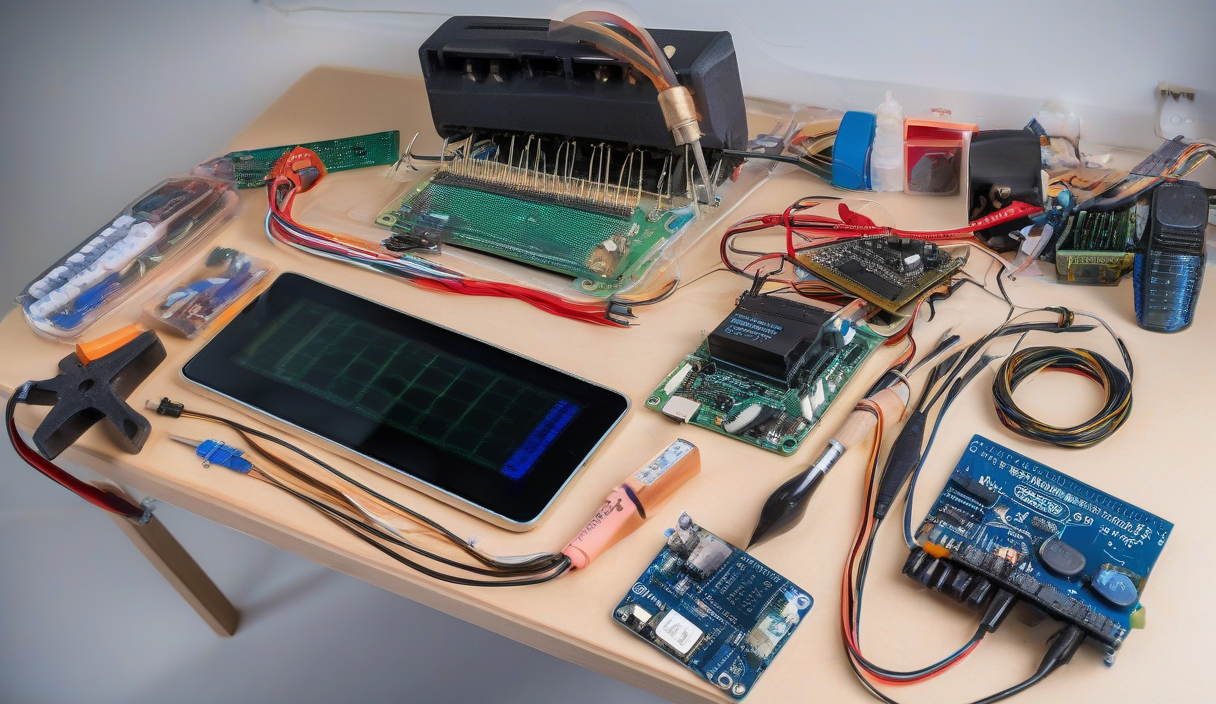
The first human to post on X using only their mind did it in January 2024. By late 2026, that feat has shifted from headline to baseline expectation. Millions now interact with neural interfaces daily—not just quadriplegics regaining autonomy, but knowledge workers navigating Slack, developers debugging code, and gamers executing combos faster than thumbs allow. The brain-computer interface (BCI) has crossed the chasm from lab curiosity to consumer infrastructure.
Three Architectures Dominate the Market
The ecosystem has sorted into three distinct lanes, each with different risk profiles and use cases.
| Approach | Key Players | Bandwidth | Invasiveness | Primary Use Case |
|---|---|---|---|---|
| Intracortical Microelectrodes | Neuralink, Blackrock Neurotech, Paradromics | High (10k+ channels) | Craniotomy required | Severe paralysis, high-speed control |
| Endovascular Stentrodes | Synchron, Precision Neuroscience | Medium (16-64 channels) | Catheter via jugular | Locked-in syndrome, home use |
| Non-invasive Optical/EEG | Kernel, OpenBCI, Meta/CTRL-labs | Low-Medium | Headset/headband | Focus monitoring, gaming, wellness |
The AI Decoder Breakthrough
Hardware advances get the press, but the real 2024-2026 leap happened in decoding software. Transformer architectures trained on massive neural datasets now generalize across users with minimal calibration. A 2025 Nature paper showed a single decoder achieving 92% character accuracy on new participants after just 10 minutes of training data—down from weeks per user in 2023.
"We stopped building custom decoders per patient. The foundation model approach changed everything—now we fine-tune, not train from scratch.
— Dr. Vikash Gilja, UC San Diego Neural Engineering Lab
Clinical Reality Check: Where We Actually Are
FDA breakthrough designations have accelerated trials, but commercial approval timelines remain grounded.
| System | Trial Phase | Participants | Projected PMA |
|---|---|---|---|
| Neuralink N1 | Early Feasibility (PRIME) | 6 implanted (2025-26) | 2028-2029 |
| Synchron Stentrode | Pivotal (COMMAND) | 18 enrolled, 6 implanted | 2027 |
| Blackrock Neuroport | IDE Expansion | 50+ cumulative since 2004 | 2026 (limited) |
| Paradromics Connexus | Pre-IDE | 0 human (NHP only) | 2030+ |
⚠️
WarningNo BCI system has full FDA PMA approval for chronic home use. All current implants operate under IDE protocols or compassionate use.
Security and Privacy: The New Attack Surface
Neural data is the ultimate biometric—immutable, intimate, and now networked. 2026 has seen the first ransomware targeting BCI cloud decoders (Synchron cloud outage, March) and demonstrated adversarial attacks that inject phantom keystrokes via perturbed spike trains. The NeuroRights Foundation's 2025 framework mandates on-device decoding, encrypted telemetry, and mandatory air-gap modes for consumer headsets. Enterprise buyers should demand SOC 2 Type II reports covering neural data pipelines before procurement.
Actionable Steps for Technical Teams
If you're building products for this layer, start here:
💡
Tip1. Prototype with OpenBCI or g.tec Unicorn for non-invasive paradigms. 2. Join the IEEE P2731 working group on BCI data formats—interoperability wins. 3. Budget for on-device ML inference (NPU/TPU) to avoid cloud latency and privacy exposure. 4. Design for 200ms end-to-end latency ceiling; users perceive delay above 150ms as broken. 5. Implement neural data retention policies now; GDPR/CCPA amendments for neural data take effect Q1 2027.
✦
The interface is no longer the bottleneck. The bottleneck is product sense: knowing which neural signals map to genuine user intent versus noise, and building experiences that respect the most private data stream a human can produce.