Imagine a clinic where a silent, nanometer‑sized assistant listens to a patient’s symptoms, cross‑checks electronic health records, orders the optimal scan, and instantly flags abnormal findings—all before the doctor walks in. In 2026 that vision is no longer sci‑fi; autonomous nanotech "copilot" platforms are reshaping the entire patient journey, cutting weeks of waiting time into minutes.
Nanotech Copilots: The New Frontline of Patient Care
These copilots are built on three converging pillars: ultra‑fast edge computing, AI‑driven clinical reasoning, and a swarm of biodegradable nanorobots that travel through the bloodstream to collect biomarkers in real time. When a patient reports chest discomfort, the copilot parses the description, matches it against a symptom ontology, and triggers a portable nanodetector patch that samples cardiac enzymes on the spot. Within seconds the patch transmits data to the clinic’s secure cloud, where a pre‑trained model grades risk and schedules a CT angiogram if needed.
"The speed at which we can move from symptom to diagnosis today would have been unimaginable a decade ago.
— Dr. Lena Ortiz, Chief Innovation Officer, MedSync Labs
Beyond triage, nanotech copilots are orchestrating therapeutic delivery. Mechanistically informed nanomedicines—engineered to recognize disease‑specific receptors—now carry payloads of chemotherapeutics, gene editors, or CRISPR‑Cas complexes. What sets the 2026 generation apart is embedded telemetry: each nanoparticle reports its location, payload release status, and local pH back to the clinician’s dashboard.
ℹ️
NoteBecause the nanocarriers are self‑destructing after delivery, systemic toxicity drops dramatically, and real‑time safety alerts let physicians intervene before adverse events arise.
Scaling these breakthroughs required a shift from bespoke lab synthesis to continuous‑flow nanomanufacturing lines that meet Good Manufacturing Practice (GMP) standards. Companies such as NanoForge and QuantumBio have deployed modular reactors that produce uniform nanocarriers at kilogram scales, while inline spectroscopic sensors verify size distribution and surface chemistry on the fly. The result: a reliable pipeline that feeds hospitals with ready‑to‑use, FDA‑cleared nanomedicines.
Industrial Ripple Effects
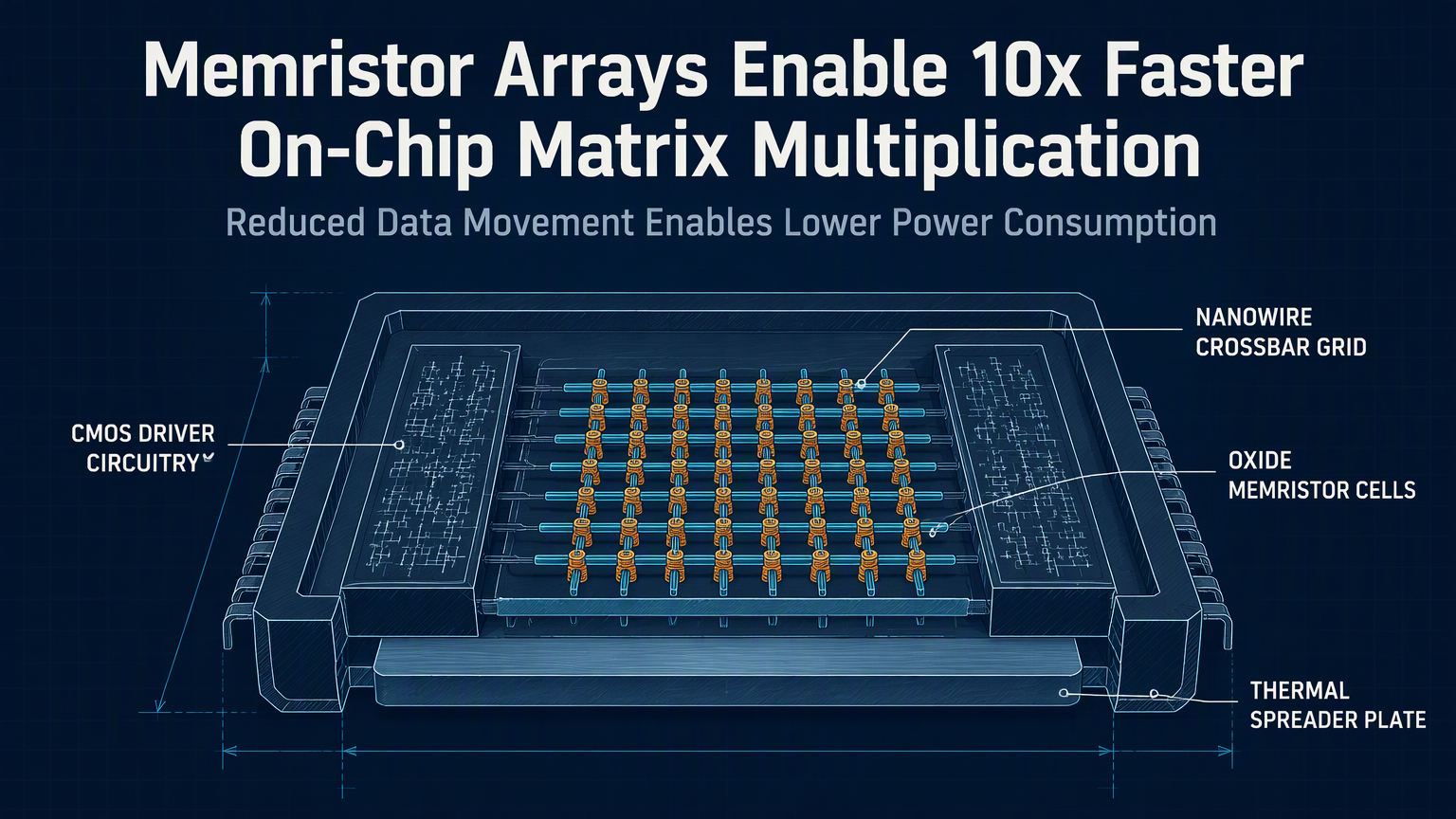
The medical surge is spilling into adjacent sectors. Nanoelectronics that power the copilot sensors are being repurposed for smart factories, where nanowire arrays monitor equipment wear at the atomic level. Sustainability gains follow: nanomaterial recycling loops capture used carriers from patient waste streams, extracting precious metals and re‑functionalizing them for a second life.
✦
For healthcare providers, the immediate action items are clear. First, audit existing clinical pathways to identify high‑impact touchpoints where nanotech copilots can cut delays. Second, partner with certified nanomanufacturers to pilot a single‑indication nanomedicine—oncology and cardiovascular disease have the most mature data sets. Finally, invest in staff training that blends AI literacy with nanomaterial safety protocols; the technology is only as good as the people who interpret its signals.
As nanotechnology weaves itself into the fabric of everyday medicine and industry, the promise is not just faster care—it’s safer, greener, and far more personalized. The era of the nanotech copilot has arrived; the next step is for every organization to decide whether it will be a passenger or a pilot.