When the first nuclear thermal propulsion (NTP) prototype roared to life in 2026, the space community felt the ground shift beneath its rockets – literally. Thrust twice that of traditional chemical engines means a 30%‑plus reduction in travel time to the Moon and a game‑changing boost for crewed Mars missions.
Nuclear Thermal Propulsion: Power Meets Efficiency
NTP works by heating liquid hydrogen in a reactor core and expelling it through a nozzle. The result is a specific impulse of 900‑1,000 seconds, dwarfing the 450‑sec ceiling of LOX/LH2 engines. In practice, the 2026 flight tests delivered 250,000 lb of thrust while burning half the propellant mass of a comparable chemical stage.
"We finally have a propulsion system that lets us think in weeks, not months, for interplanetary transit.
— Dr. Maya Alvarez, NASA Propulsion Lead
The implications are immediate. A six‑day trans‑lunar injection replaces the traditional three‑day burn‑and‑coast profile, freeing up payload volume for scientific instruments, habitats, and even lunar surface landers. For Mars, the same thrust reduces a 260‑day opposition‑class trajectory to under 150 days, cutting crew radiation exposure dramatically.
✦
Orbital Refueling: Turning LEO Into a Fuel Hub
The launch of the first orbital refueling depot in early 2026 turned low‑Earth orbit into a true logistics node. Reusable launch vehicles now dock, transfer cryogenic methane or liquid oxygen, and return to the pad within 48 hours. This dramatically lowers launch cadence costs and eliminates the need for every mission to carry its full propellant load from the ground.
ℹ️
NoteA single depot can service up to 12 rides per week, translating to a 45% reduction in overall mission cost for commercial operators.
Beyond economics, refueling expands mission architecture. Lunar Gateway‑style stations can now be assembled in stages, with propulsion modules topped up in orbit rather than launched fully fueled. The same approach fuels the emerging market of on‑orbit manufacturing, where heavy‑duty thrusters are needed for moving large printed structures.
✦
AI‑Driven Rendezvous and Docking
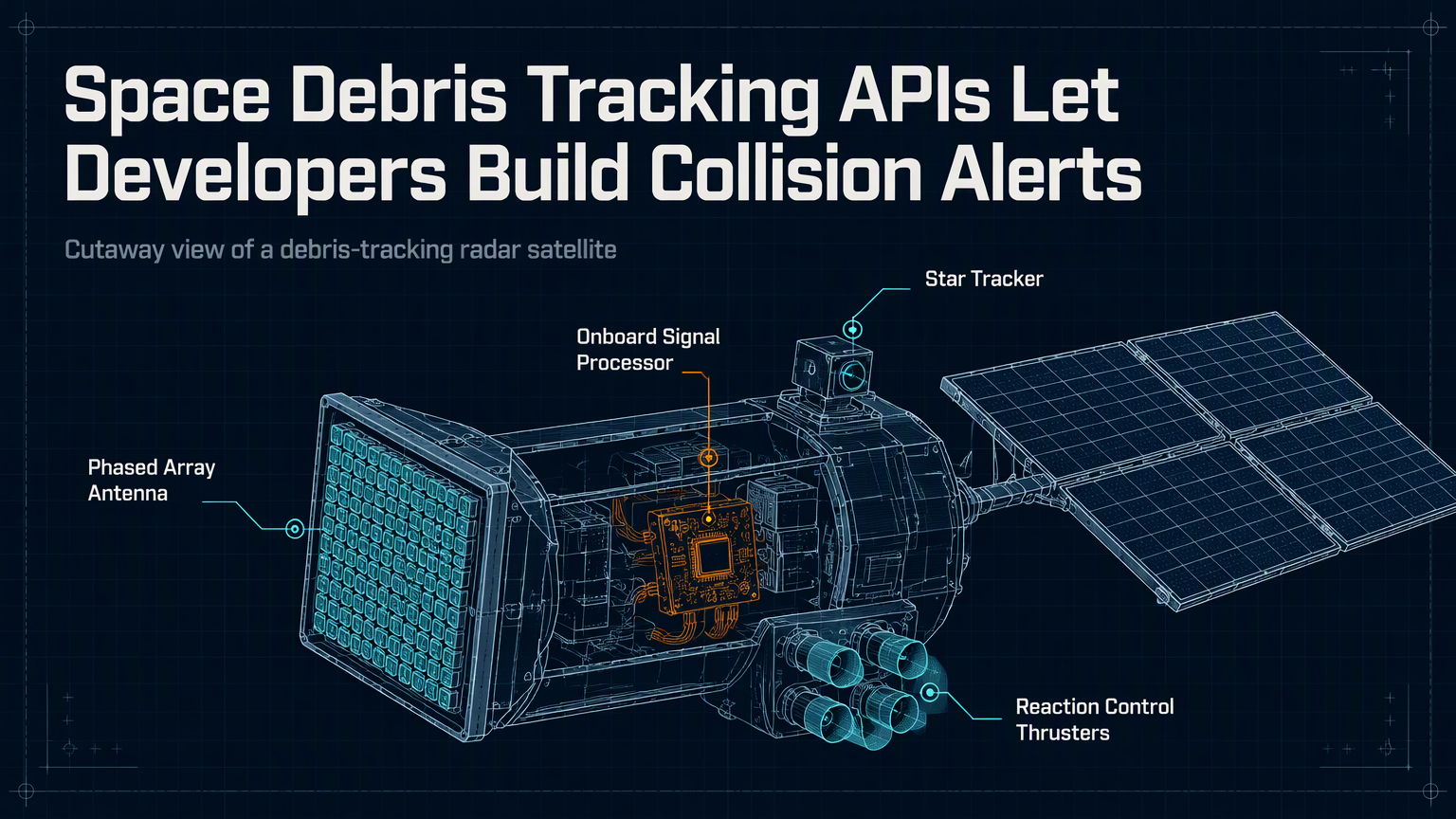
Autonomous navigation has matured from experimental demos to operational reality. Machine‑learning algorithms ingest LIDAR, optical flow, and star‑tracker data to generate real‑time approach vectors, shaving seconds off docking sequences and eliminating most human‑in‑the‑loop errors. Both cargo and crewed flights now rely on these AI systems for precision docking with commercial habitats and refueling depots.
"The AI knows the exact moment to fire thrusters to counteract micro‑gravity jitter – something a human operator would struggle to achieve in real time.
— Liang Chen, SpaceX Autonomy Lead
These advances also improve safety. Early‑warning anomaly detection can trigger abort maneuvers before a collision becomes critical, a feature that regulators are beginning to require for all LEO docking operations.
✦
Commercial Stations: The New Frontier for Research and Industry
Private operators have responded to lower launch costs by launching modular habitats that can be reconfigured on demand. In 2026, two new stations entered service, each offering 30 m³ of pressurized volume, on‑orbit manufacturing bays, and direct docking ports for both NTP‑powered landers and refuelable rockets.
💡
TipStart a partnership with a station operator now – early‑bird contracts include free cargo slots for the first six months.
The synergy is clear: faster propulsion brings crews to the station quicker; refueling keeps the station supplied without costly re‑launches; AI handles the complex choreography of multiple dockings per day. The result is a bustling LEO economy where research, production, and tourism coexist.
✦
What’s Next and How You Can Ride the Wave
In the next five years we’ll see NTP integrated into lunar ascent stages, refueling depots expanded to GEO, and AI‑controlled traffic management for an increasingly crowded orbital highway. For startups, the low‑cost launch environment opens doors to payload‑as‑a‑service, in‑space assembly, and even private lunar tourism.
⚠️
WarningRegulatory frameworks lag behind technology – stay ahead by engaging with national space agencies and industry groups now.
Actionable step: map your product’s mass and delta‑v requirements against the new NTP performance curves, then model a refuel‑once‑in‑orbit scenario. The numbers will surprise you, and the savings could fund the next iteration of your hardware.