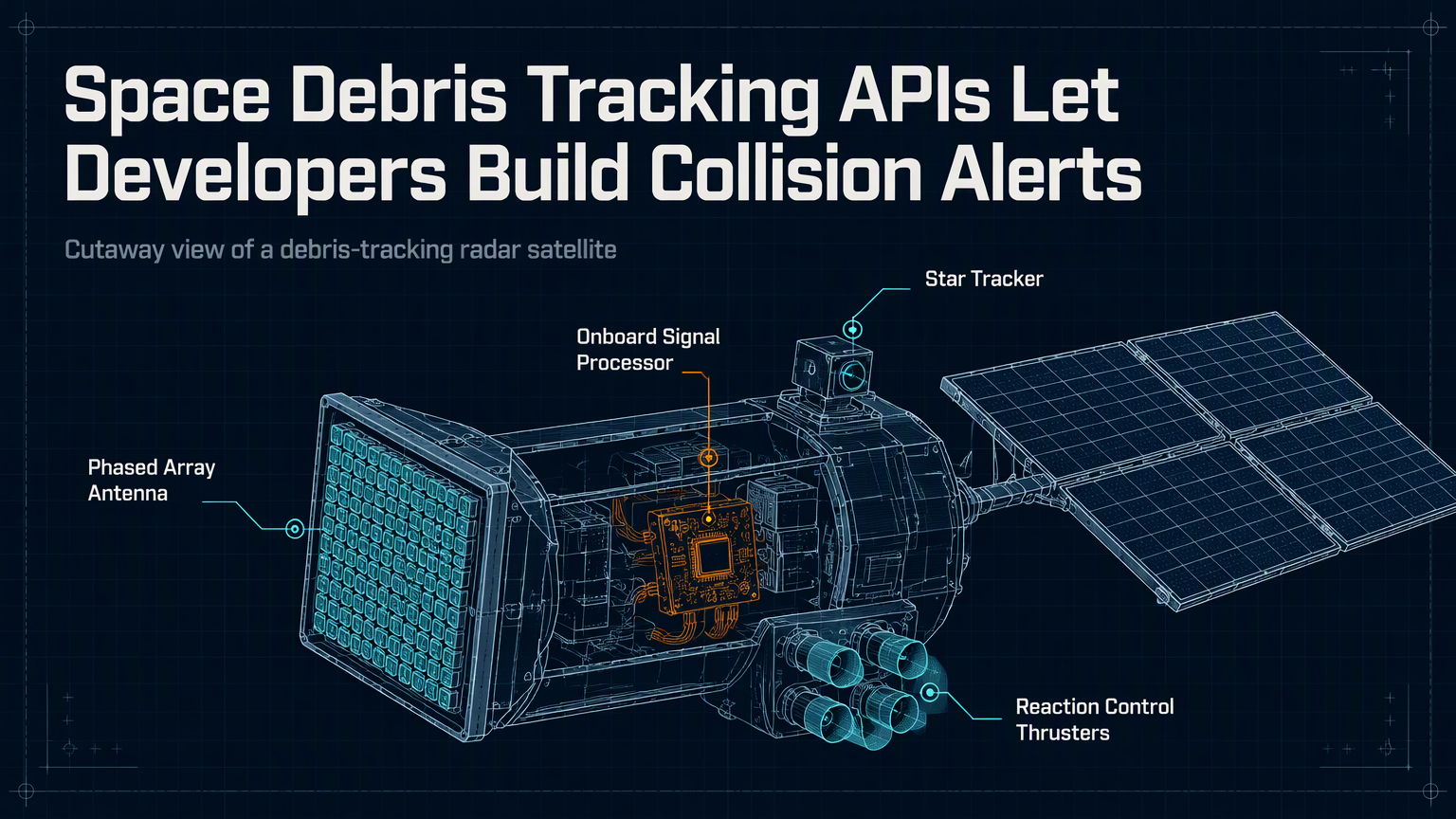
Imagine a satellite that can hitch a ride on a nuclear‑thermal thruster, swap fuel mid‑orbit, and then glide on a solar sail—all while an AI keeps it perfectly positioned. In 2026 those sci‑fi scenarios turned into reality, and the ripple effects are reshaping broadband and Earth‑observation constellations.
Revolutionary Space Tech: The Future of Satellite Propulsion
First, nuclear‑thermal propulsion (NTP) leapt from experimental labs to operational status. By heating liquid hydrogen with a compact reactor, NTP delivers thrust levels comparable to traditional chemical engines but with a specific impulse that’s three times higher. The result? Satellites can climb to geostationary orbit in weeks instead of months, slashing launch‑vehicle mass and cost.
Coupled with NTP, high‑efficiency Hall‑effect electric thrusters have hit a new performance plateau. Modern Hall thrusters now push 0.5 N of thrust while sipping power at under 2 kW, enough to perform rapid orbit‑raising maneuvers for large constellations without draining a satellite’s power budget.
✦
On‑Orbit Refueling: Fueling the Constellation
Orbital refueling stations, once a theoretical add‑on, completed their first commercial transfer in early 2026. Propellant—both cryogenic and storable—was moved between a tanker and a client satellite in low‑Earth orbit, proving that a constellation can be topped up without returning to Earth.
"The ability to refuel on orbit turns the cost curve upside down.
— Dr. Lina Patel, Orbital Logistics Lead
This breakthrough means operators can launch smaller, cheaper satellites, rely on in‑space refueling for life‑extension, and keep orbital slots flexible. The economic model shifts from “launch once, die fast” to “launch light, service often.”
✦
AI‑Guided Navigation Meets Solar Sail Augmentation
Artificial intelligence is no longer just a ground‑segment tool. Integrated AI navigation modules now process orbital dynamics in real time, adjusting thruster firings and sail angles to maintain sub‑meter station‑keeping accuracy. When paired with ultra‑light solar sails, satellites can counteract drag, extend mission lifespans, and even perform modest plane‑change maneuvers without burning propellant.
ℹ️
NoteAI continuously learns from attitude data, reducing fuel consumption by up to 30% on typical LEO missions.
The synergy of AI and sails creates a hybrid propulsion system: electric or nuclear thrusters for high‑energy transfers, sails for fine‑tuning and drift mitigation. Operators report up to 40% longer operational windows for Earth‑observation payloads.
✦
Implications for Next‑Gen Constellations
Broadband providers can now deploy megaconstellations at a fraction of the previous cost. Faster orbit insertion reduces the number of launch windows needed, while on‑orbit refueling ensures that any satellite experiencing a failure can be serviced rather than replaced.
Earth‑observation fleets benefit from higher agility. With NTP and Hall thrusters, a satellite can reposition over a target region within hours, enabling rapid response to natural disasters. AI‑driven station‑keeping and sail‑assisted drag compensation keep imaging platforms on a stable platform for longer, delivering more consistent data.
💡
TipStart evaluating modular propulsion bays now—future‑proof your design for NTP, electric, and sail integration.
✦
What You Can Do Today
1. Review your satellite bus architecture for plug‑and‑play propulsion modules. 2. Initiate partnerships with emerging refueling service providers to lock in early‑access contracts. 3. Incorporate AI‑ready navigation stacks into your flight software, even if you’re not yet using sails.
By aligning hardware, software, and service ecosystems now, you’ll be ready to ride the wave of 2026’s propulsion renaissance and deliver faster, cheaper, and more resilient space services.