Imagine a satellite that can change its orbit with the flick of a software switch, shedding kilograms of fuel and extending its mission life by years. That vision is no longer science fiction; it’s happening right now thanks to breakthroughs in electric propulsion and AI‑driven power management.
Revolutionizing Space Exploration: Cutting-Edge Satellite Propulsion Systems
In June 2026 NASA unveiled a new class of Hall‑effect thrusters that pair ultra‑efficient magnetic acceleration with real‑time AI algorithms that allocate power where it’s needed most. The result? Up to 70 % less propellant for routine orbital adjustments and a dramatic boost in deep‑space mission endurance.
"We’re moving from chemistry‑limited rockets to software‑limited thrusters.
— Dr. Maya Patel, NASA Propulsion Lead
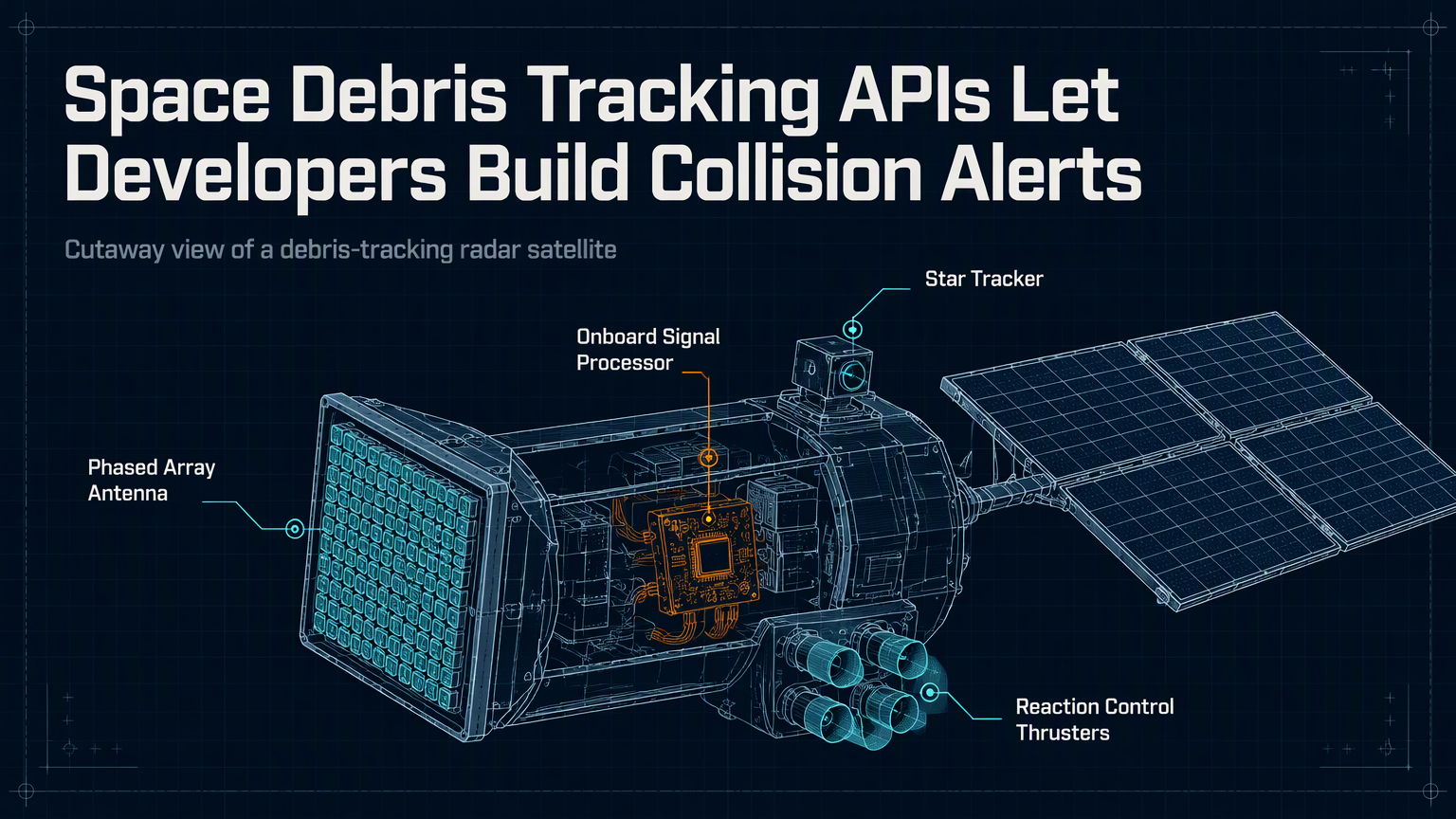
Hall‑effect thrusters work by ionizing a propellant—typically xenon or krypton—and using a magnetic field to accelerate the ions out of the engine. NASA’s twist is the integration of a machine‑learning controller that monitors battery state‑of‑charge, thermal margins, and mission‑phase requirements, then fine‑tunes voltage and current in milliseconds. The AI doesn’t just react; it predicts when a maneuver will be most efficient, shaving off unnecessary burns and preserving precious fuel reserves.
ℹ️
NoteFuel savings translate directly into launch mass reductions, allowing either smaller rockets or larger payloads for the same launch vehicle.
✦
SpaceX’s Low‑Toxicity Krypton Plasma System
Just a month earlier, SpaceX announced that its next‑generation Starlink satellites will use a proprietary krypton plasma propulsion system. Unlike traditional xenon thrusters, krypton is cheaper, less dense, and far less hazardous to handle, meeting the company’s goal of a “green” launch ecosystem.
The plasma engine ionizes krypton in a sealed chamber and creates a high‑velocity exhaust plume using a compact RF antenna. What sets it apart is the closed‑loop software that autonomously schedules de‑orbit burns at end‑of‑life, ensuring compliance with the 25‑year debris mitigation guideline without any ground intervention.
💡
TipOperators can re‑phase an entire constellation in days instead of weeks, dramatically reducing downtime and revenue loss.
✦
Why Software‑Controlled Propulsion Matters
Both NASA and SpaceX are converging on a common theme: propulsion is becoming a software problem, not a hardware one. By abstracting thrust management to algorithms, engineers gain flexibility that hardware alone cannot provide. Mission planners can upload new maneuver scripts, update AI models, or even run on‑orbit diagnostics without a single physical retrofit.
This shift also lowers operational costs. Ground stations no longer need to maintain complex telemetry for manual thruster commands; instead, a single API call can trigger a suite of optimized burns. For commercial operators, that means faster turnaround between customers and a clearer path to profit.
✦
Looking Ahead: A Sustainable Orbital Economy
The ripple effects are already visible. Smaller launch vehicles can now carry more payload mass because the satellites bring their own efficient thrust. Long‑duration science missions—like lunar orbiters or asteroid prospectors—can stay alive longer, gathering richer data sets. And with low‑toxicity propellants, the industry takes a tangible step toward reducing the environmental footprint of spaceflight.
"The future of space logistics will be defined by how intelligently we move mass, not how loudly we burn it.
— Elena García, CEO of Orbital Dynamics Inc.
⚠️
WarningRegulators will soon require demonstrable end‑of‑life disposal plans; AI‑driven de‑orbiting will become a compliance baseline.
✦
Actionable Takeaways
1. Evaluate retrofitting existing satellite buses with AI‑ready power controllers; the fuel savings alone justify the investment.
2. Prioritize low‑toxicity propellants in procurement contracts to future‑proof against tightening environmental regulations.
3. Incorporate software‑update pipelines into mission design so that propulsion algorithms can evolve throughout the satellite’s lifespan.
By embracing these practices, operators can unlock the full potential of today’s electric thrusters, turning every kilogram of saved fuel into additional capability, revenue, or scientific return.