Imagine walking into a house that knows you’re home, dims the lights, sets the perfect temperature, and even brews coffee before you hit the kitchen counter. That isn’t a sci‑fi fantasy—it’s the everyday reality of a well‑designed smart home, and the payoff goes beyond convenience.
Why Smart Home Automation Is More Than a Luxury
Today’s homeowners are chasing two core goals: frictionless control and measurable energy savings. With the explosion of IoT devices, a single voice command or app tap can orchestrate lighting, HVAC, security, and appliances, turning a collection of gadgets into a cohesive system that trims utility bills while boosting comfort.
Building Blocks of a Seamless System
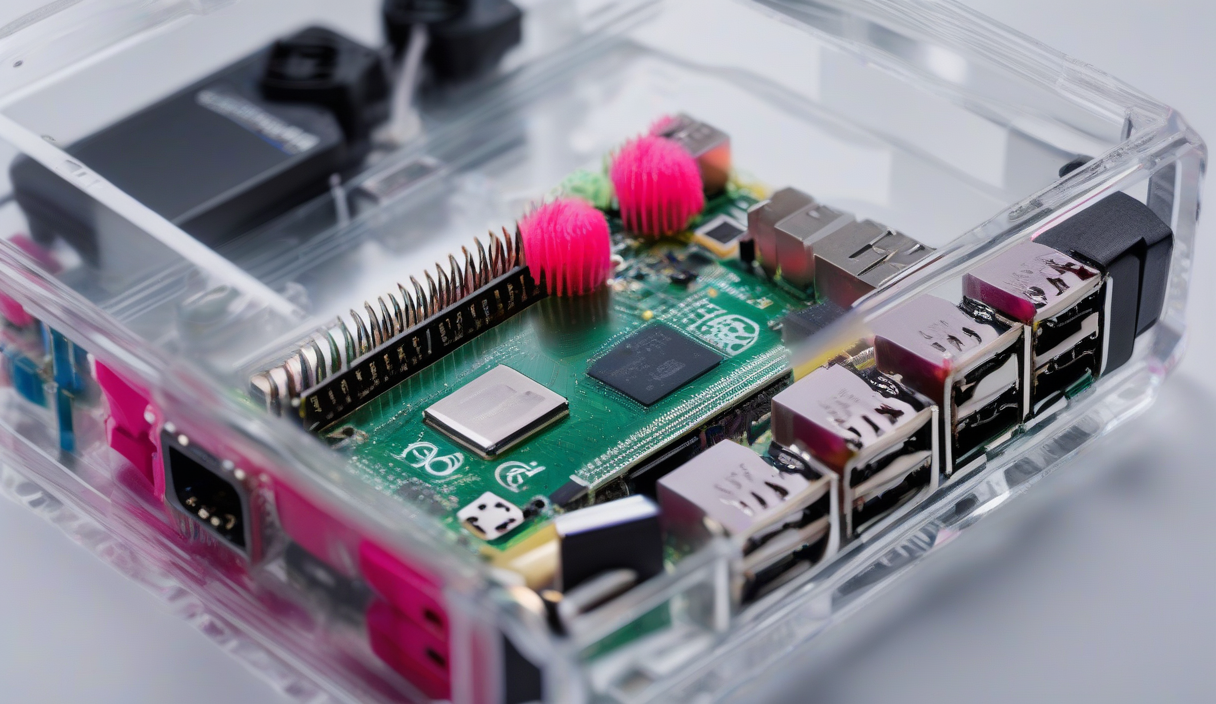
At the heart of any robust automation lies a reliable hub—think Amazon Echo, Google Nest Hub, or a dedicated Zigbee controller. This hub acts as the brain, translating user intents into actions across protocols like Wi‑Fi, Thread, and Matter.
Next, sensors gather real‑time data: motion detectors know when rooms are occupied, temperature probes track thermal drift, and smart plugs monitor power draw. Pair these inputs with rule engines (IFTTT, Home Assistant, or native vendor automations) and you get dynamic responses such as “turn off all lights when the house reaches 0% occupancy” or “lower AC setpoint by 2°F during peak demand hours.”
💡
TipStart small: automate the lights in high‑traffic zones first. You’ll see immediate energy impact and gain confidence to expand.
Voice Control: The Natural Interface
Voice assistants have evolved from novelty to primary control panel. By assigning clear, distinct phrases—“Good night, house,” or “Movie mode on”—you eliminate the need for multiple app screens. For power users, integrating routines that combine several actions (e.g., lock doors, close blinds, and set thermostat) reduces cognitive load and ensures consistency.
"Voice is the most intuitive way to interact with a home that’s always listening for your needs.
— Smart Home Analyst
Energy Efficiency Gains You Can Quantify
Automation shines when it trims waste. Smart thermostats learn occupancy patterns, cutting heating or cooling by up to 15% without sacrificing comfort. Adaptive lighting dimmers respond to daylight levels, slashing bulb usage. Even standby power isn’t safe—smart plugs can cut power to idle devices, saving 5‑10 watts per outlet.
Many utilities now offer time‑of‑use rates. By programming high‑energy appliances (washers, dryers, EV chargers) to run during off‑peak windows, households can shave hundreds of dollars off annual bills.
ℹ️
NoteCheck your utility’s API; some providers expose real‑time pricing so your home can react automatically to price spikes.
Security and Privacy Considerations
Connecting every device to the internet expands the attack surface. Use strong, unique passwords, enable two‑factor authentication on your hub, and keep firmware up to date. Segment your network—place IoT devices on a separate VLAN to isolate them from personal computers.
✦
Actionable Steps to Get Started
1. Choose a central hub that supports Matter for future‑proofing.
2. Install smart bulbs or switches in rooms you use most.
3. Add a thermostat that learns your schedule.
4. Set up a voice assistant and define at least three daily routines.
5. Enable energy‑monitoring plugs on high‑draw devices and create off‑peak schedules.
Once these basics are in place, experiment with conditional automations—like turning off the HVAC when windows are open or pausing the dryer when solar production peaks. The more data you feed the system, the smarter it becomes.
⚠️
WarningAvoid over‑automation. Too many overlapping rules can cause conflicts and frustrate users. Document each automation and test changes incrementally.
By treating your home as a living system—continuously monitored, intelligently adjusted, and securely managed—you’ll enjoy a space that responds to you, not the other way around, while keeping energy bills in check.