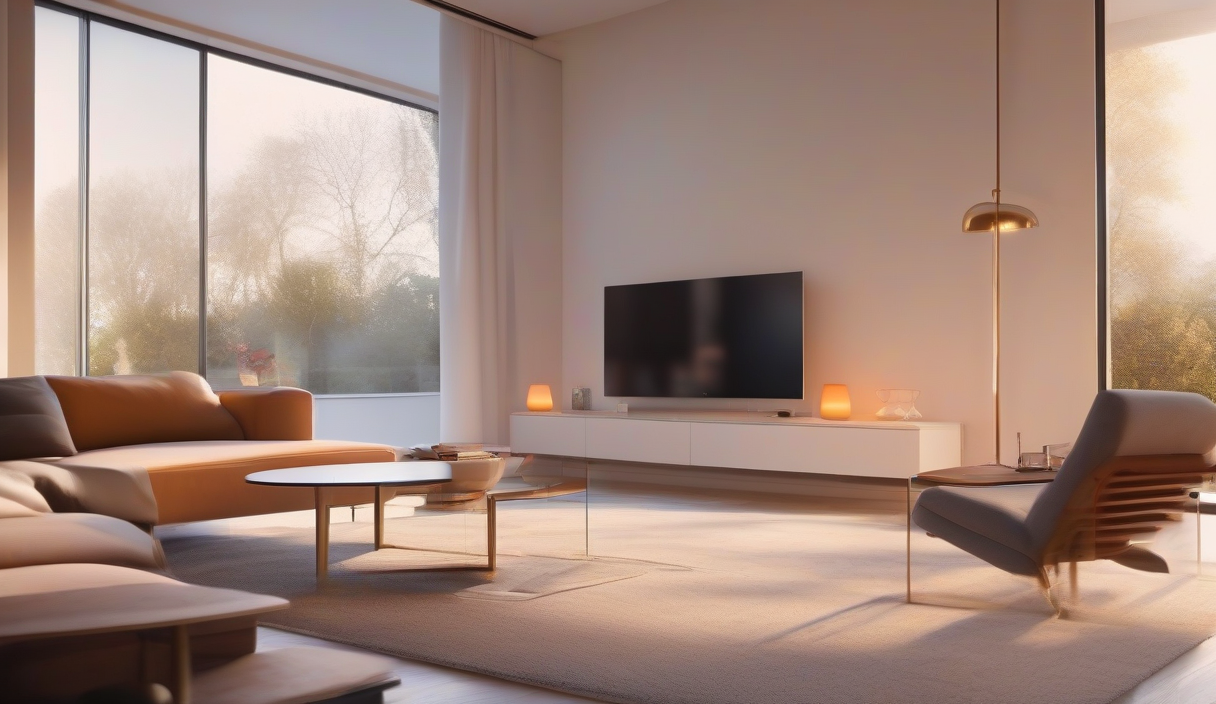
You walk through the front door and the lights ramp up to 40%, the thermostat shifts to 71°F, and your favorite playlist starts — no switches, no apps, just presence. That's not a demo. It's Tuesday night in a home that finally works for you instead of the other way around.
What Smart Home Automation Actually Means
Smart home automation connects everyday devices — lights, thermostats, locks, cameras, sensors — to a central brain that makes decisions based on triggers you define. Motion at 6 AM? Turn on bathroom lights at 10%. Door unlocks after 10 PM? Send a notification. Temperature hits 78°F? Lower the shades and kick the AC. The magic isn't the gadgets. It's the logic layer stitching them together.
Pick Your Protocol Before You Buy Anything
Three wireless standards dominate 2026. Thread and Matter over Thread are the new baseline — low power, mesh-native, IP-based, and backed by Apple, Google, Amazon, and Samsung. Zigbee still runs millions of legacy devices but requires a dedicated hub. Wi-Fi is easiest for one-off plugs and bulbs but chokes your router past 30 devices. Z-Wave remains rock-solid for locks and sensors if you already own a hub like Hubitat or Home Assistant Green.
💡
TipStart with a Matter-over-Thread border router (Apple TV 4K, Google Nest Hub Max, or a $35 DIY Raspberry Pi + OpenThread). Every Thread device you add strengthens the mesh automatically.
The Minimal Viable Starter Kit
| Device | Protocol | Approx. Cost | First Automation |
|---|---|---|---|
| Smart bulb 4-pack | Matter/Thread | $45 | Sunset → 2700K at 30% |
| Thermostat | Matter/Wi-Fi | $130 | Away mode → eco temps |
| Door sensor | Thread | $18 | Open > 5 min → alert |
| Motion sensor | Thread | $22 | Hallway 11 PM–6 AM → nightlights |
| Smart plug | Matter/Wi-Fi | $15 | Washer done → ping phone |
Hubs: Local First, Cloud Optional
Home Assistant (free, runs on a $60 Raspberry Pi 5 or $99 Home Assistant Green) is the gold standard for local control, privacy, and 3,000+ integrations. Hubitat Elevation C-8 is the no-code alternative with built-in Zigbee/Z-Wave/Thread radios. Apple HomeKit and Google Home work fine for simple setups but hit walls with complex logic or non-certified gear. Avoid cloud-only hubs — internet outages shouldn't kill your lights.
"The best automation is the one you forget exists until it saves you money or hassle.
— Lisa Morgan, smart home reviewer
Five Automations to Build This Weekend
1. Wake-up gradient. Bedroom lights 1% → 100% over 20 minutes, color temp 2000K → 5000K. 2. Leave-home shutdown. Geofence or Bluetooth departure triggers: all lights off, locks engaged, thermostat to eco, cameras armed. 3. Bathroom humidity fan. Sensor > 65% RH → exhaust fan on until 50%. 4. Package delivered. Camera person/vehicle detect + zone overlap → announce on speakers, snapshot to phone. 5. Energy arbitrage. Utility API peak pricing → delay dishwasher/EV charge, pre-cool house.
⚠️
WarningNever automate safety-critical systems (smoke alarms, gas valves, medical devices) without UL-listed hardware and professional installation.
Voice Control That Doesn't Feel Like Shouting
Place one far-field mic array per 400 sq ft — HomePod mini, Nest Audio, or a DIY ESP32-S3-BOX-3 running ESPHome. Name rooms logically ("kitchen main" not "light 3"). Create scenes: "movie night" dims bias lights, closes shades, sets TV input. "Goodnight" runs the leave-home shutdown plus white noise. Test with accents, kids, and background TV before trusting routines.
Privacy & Security Checklist
- VLAN or separate SSID for all IoT devices — no access to NAS, PCs, or admin interfaces.
- Block outbound internet at router level for devices that don't need cloud (most Thread gear).
- Enable 2FA on every hub/account. Use a password manager.
- Disable UPnP. Forward zero ports.
- Audit device firmware monthly. Automate updates where possible.
✦
Your First Hour Plan
1. Flash Home Assistant OS to a Raspberry Pi 5 or boot Home Assistant Green. 2. Add the Matter/Thread integration. 3. Pair one Thread bulb via QR code. 4. Create an automation: "When sun sets, set bulb to 2700K, 40%." 5. Watch it trigger tonight. That's it. You've crossed the threshold from gadget buyer to home automator. Next weekend, add a sensor. The month after, a script that learns your patterns. The house keeps getting smarter while you sleep.