The Future of Edge AI: 5 Trends Shaping 2025
Edge AI is moving from experimental pilots to enterprise‑scale deployments, driven by advances in hardware, privacy regulations, and the need for real‑time intelligence.
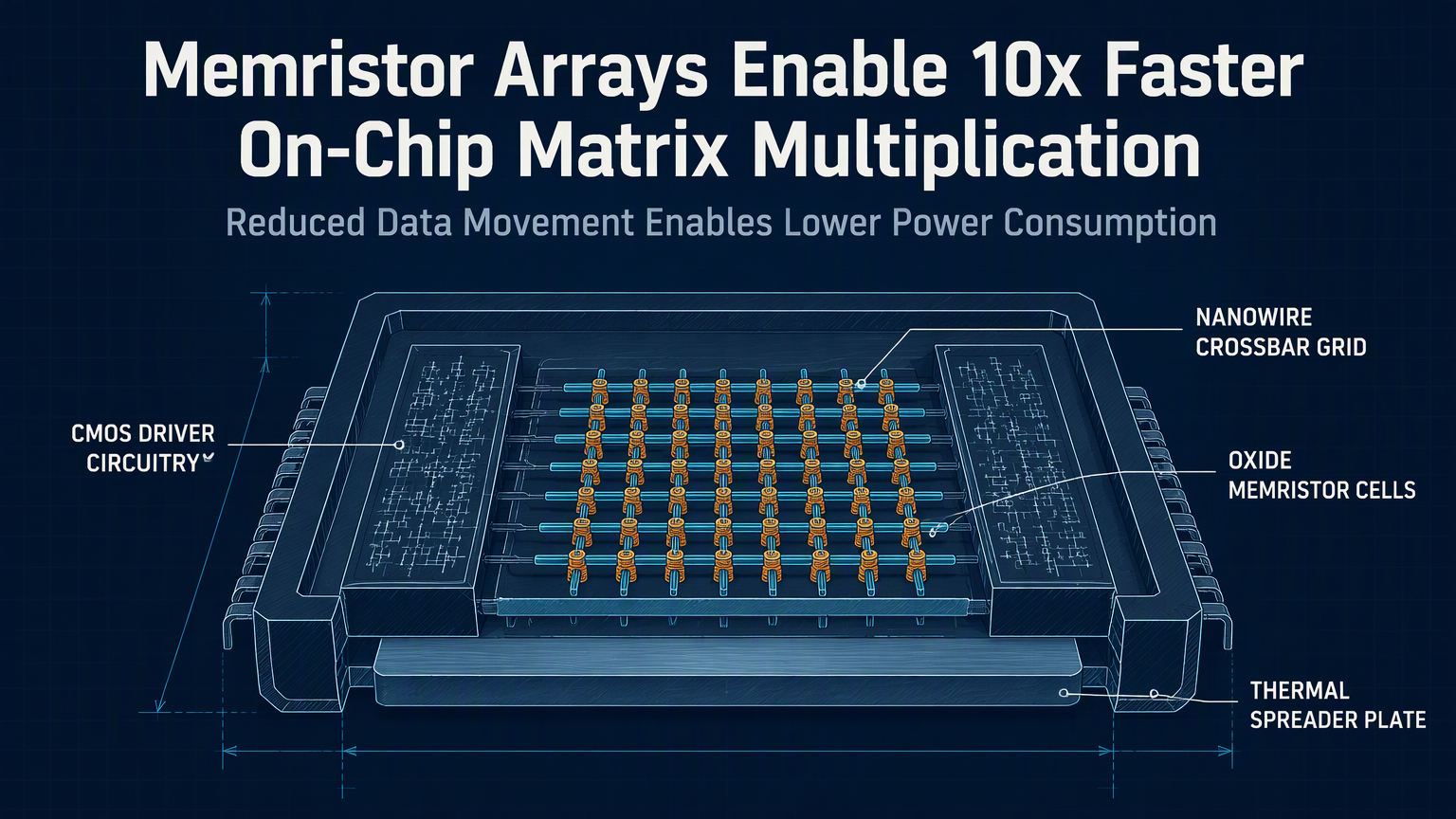
- 1. Heterogeneous Compute Architectures – Chip makers are integrating CPU, GPU, and specialized AI accelerators into a single die, enabling heterogeneous workloads that balance latency, power, and accuracy.
- 2. Self‑Optimizing Models – Federated learning and on‑device adaptation allow models to refine themselves continuously, reducing the need for cloud updates and improving resilience to distribution drift.
- 3. AI‑Driven Security Enclaves – Hardware‑rooted trust combined with encrypted compute creates secure inference environments, essential for sectors like healthcare and finance.
- 4. Energy‑Efficient Inference – New compilation tools and sparsity‑aware neural architectures cut power consumption by up to 70 %, extending battery life in IoT pipelines.
- 5. Edge‑Cloud Collaboration – Dynamic task routing between edge nodes and cloud services ensures optimal latency while maintaining centralized model governance.
Looking ahead, the convergence of 5G/6G connectivity, AI‑specific silicon, and open‑source tooling will make edge AI a ubiquitous backbone for smart factories, autonomous vehicles, and immersive AR experiences. Enterprises that invest in modular, standards‑based edge platforms today will unlock the agility required to capture value in the coming decade.