Outdated Architecture and Legacy Models
Many commercial chatbots still rely on architectures that were state‑of‑the‑art a few years ago, such as early transformer releases or hybrid rule‑based pipelines. These systems lack the massive parameter counts, advanced pretraining tricks, and efficient inference kernels that define modern LLMs, forcing them to process queries more slowly and generate less nuanced responses.
Training Data Stagnation and Knowledge Cut‑off
Most production chatbots are frozen at a specific snapshot of training data, often cut off in 2022 or 2023. Without continuous data ingestion or real‑time knowledge updates, their answers become stale, missing the latest trends, scientific breakthroughs, or cultural references that users expect.
Deployment Constraints and Compute Bottlenecks
Enterprise environments frequently host chatbots on constrained infrastructure, prioritizing cost efficiency over raw compute. As a result, models are quantized, distilled, or throttled, which degrades latency and accuracy. This trade‑off makes it difficult to deliver the instantaneous, high‑fidelity interactions that newer generative frameworks can provide.
Absence of Continuous Learning Loops
Unlike research prototypes that can be fine‑tuned on fresh interaction data, many deployed bots are locked behind strict release cycles. The lack of automated feedback collection and incremental model updates means errors and biases persist, preventing the system from evolving autonomously.
Regulatory and Ethical Guardrails
Compliance frameworks impose safety filters, content moderation layers, and audit requirements that can inhibit a chatbot’s flexibility. While these safeguards are essential, overly rigid implementations can stifle innovation, leaving bots unable to adopt newer alignment techniques or more expressive response styles.
The Way Forward: Retrieval‑Augmented Generation and Multimodal Fusion
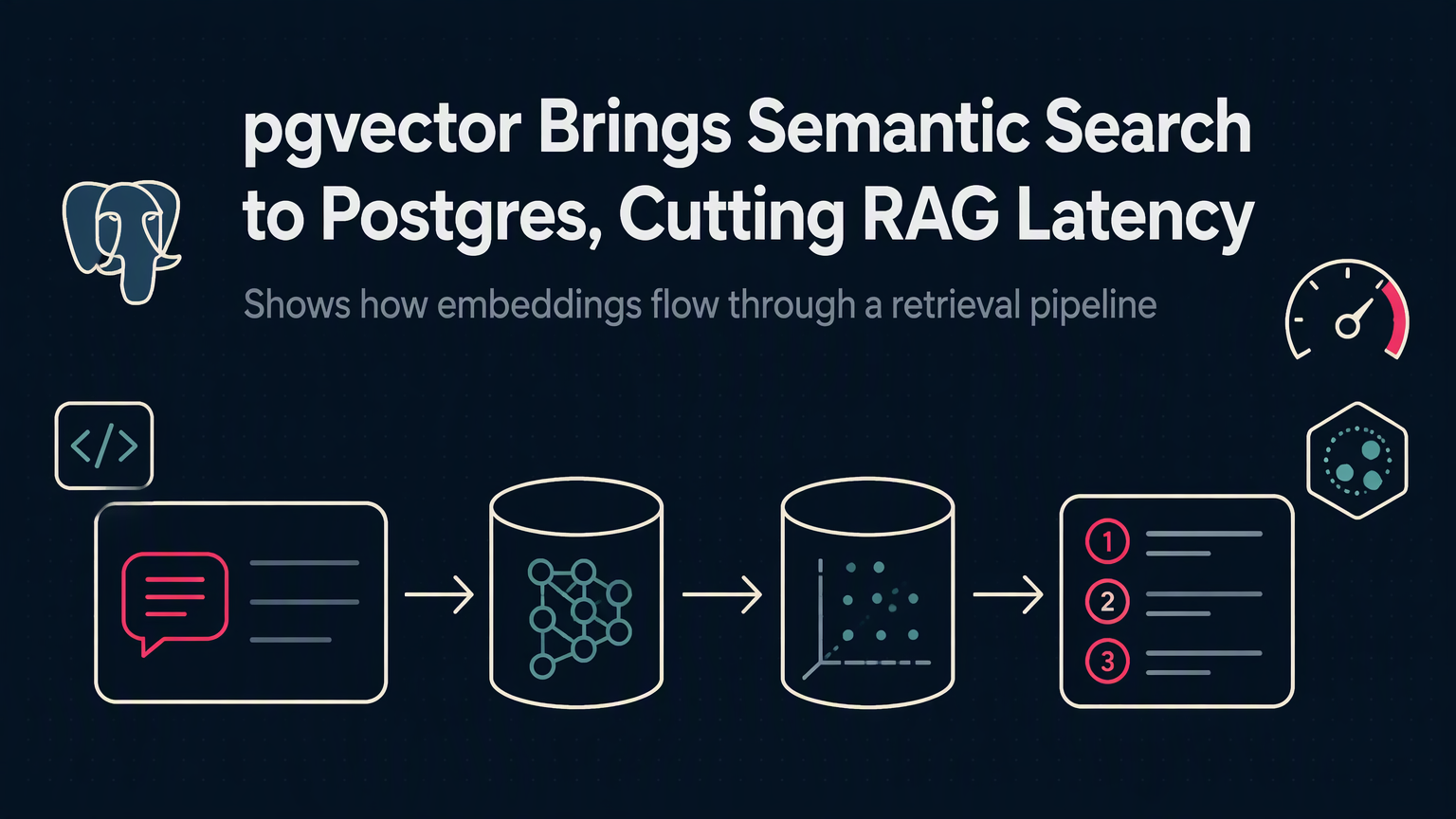
Emerging best practices combine large‑scale pretrained language models with external knowledge repositories, enabling dynamic fact retrieval and up‑to‑date context injection. Coupled with multimodal capabilities — text, image, and audio — these solutions can produce richer, more accurate outputs that feel current.
Continuous Learning Architectures
Adopting online learning pipelines, reinforcement learning from human feedback, and modular plugin systems allows chatbots to stitch together new expertise without full retraining. This modularity bridges the gap between a static 2023 baseline and a continuously evolving AI assistant.
Open‑Source Ecosystems and Community Momentum
Leveraging open‑source model hubs, benchmarking suites, and collaborative research accelerates diffusion of cutting‑edge techniques into production. Companies that embrace community contributions can shortcut the typical lag and bring next‑generation features to market faster.