AI-Powered Time Blocking: The 2025 Productivity Hack
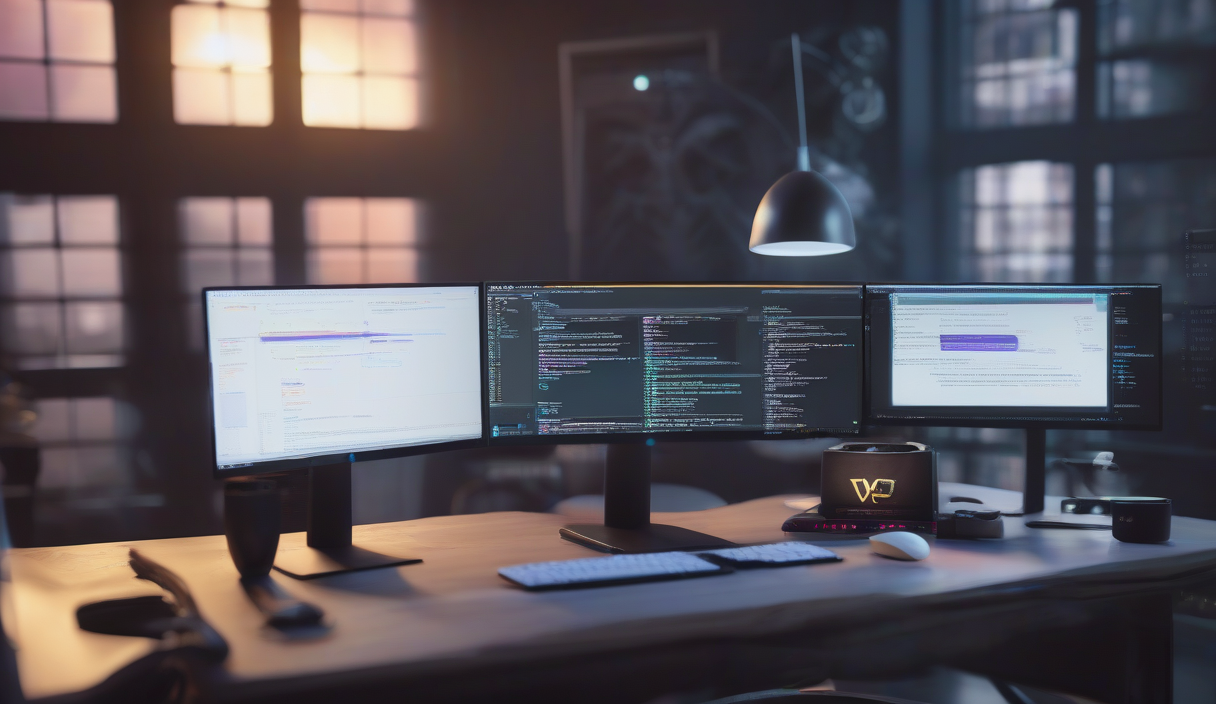
Artificial intelligence is rewriting the playbook of personal productivity, turning the once static practice of time blocking into a dynamic, data-driven system that adapts to your workflow, mood, and project demands.
How AI Transforms Traditional Time Blocking
Unlike rigid calendars, AI-enhanced blockers ingest real-time signals—email load, focus metrics, and even physiological cues—to suggest optimal slots, reshaping how you allocate attention.
- Dynamic scheduling that reacts to interruptions.
- Context-aware task allocation based on project dependencies.
- Predictive focus windows that align with circadian rhythm patterns.
Implementation begins with selecting an AI-enabled calendar platform, integrating productivity data sources, and configuring a feedback loop where the system learns from completed blocks.
Benefits and Real-World Impact
Users report up to 30% gains in deep-work time, reduced context-switching, and clearer priority visibility, translating into faster project delivery and higher creativity.
Choosing Tools and Best Practices
Look for solutions that offer seamless calendar sync, robust analytics dashboards, and privacy-first data handling; adopt a weekly review habit to refine AI suggestions.
- Integrate with popular tools like Outlook, Google Workspace, or Notion.
- Leverage built-in productivity analytics to track block efficiency.
- Iterate on recommendations every Friday to align with upcoming priorities.
As we move deeper into 2025, expect greater integration with smart assistants, real-time collaboration blockers, and autonomous time-budgeting agents that will make AI-powered time blocking a core pillar of professional efficiency.