By 2026, artificial intelligence has shed its experimental skin. It is no longer a pilot project or a research curiosity; it is the invisible architecture underpinning global supply chains, healthcare diagnostics, financial modeling, and the creative tools we use daily. The conversation has shifted from what AI can do to how we govern, secure, and integrate it as a standard utility.
The Rise of Agentic Workflows
The dominant paradigm shift is the move from passive models to autonomous agents. These systems don't just generate text or code; they plan, execute, and iterate on complex objectives with minimal human supervision. Microsoft and other hyperscalers are embedding these agents directly into operating systems and productivity suites, effectively creating "digital colleagues" that manage scheduling, data analysis, and customer outreach.
💡
TipStart small: deploy a single agent for a repetitive, high-volume task like invoice reconciliation or tier-1 support triage. Measure ROI before scaling.
Infrastructure Efficiency Over Raw Scale
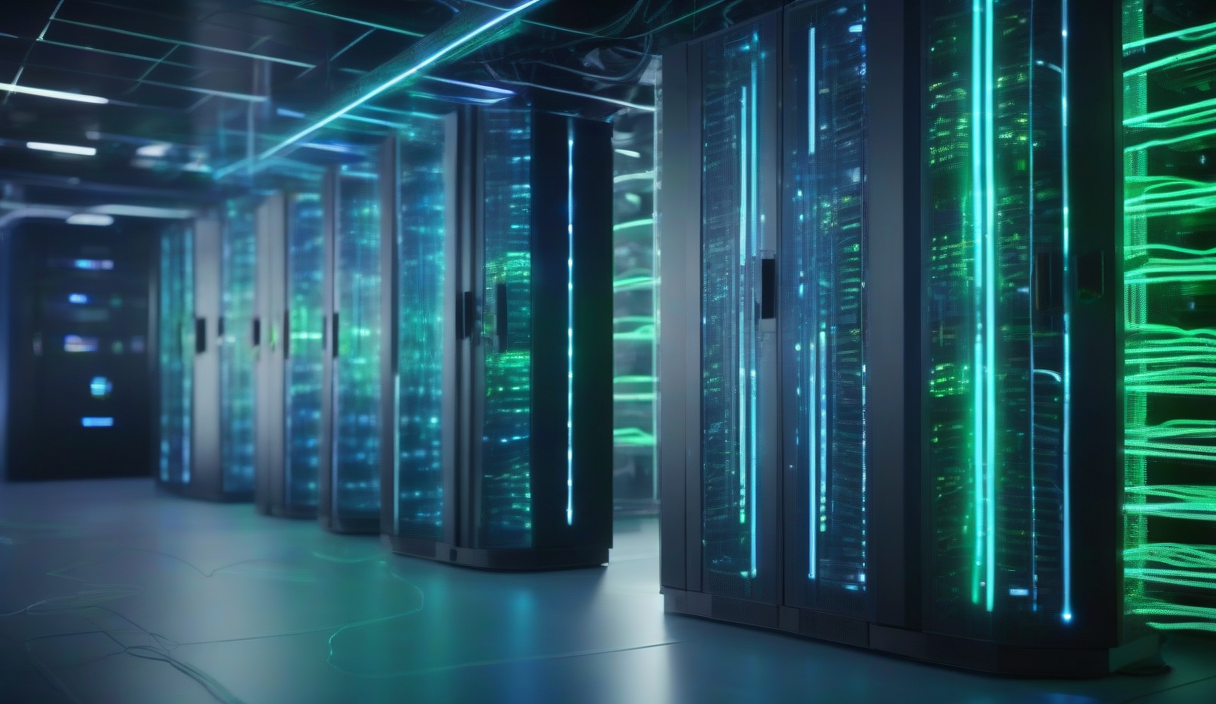
The brute-force era of "bigger is better" is hitting physical and economic walls. 2026's infrastructure trend is optimization: mixture-of-experts architectures, quantization-aware training, and specialized silicon (TPUs, NPUs, LPUs) that deliver inference at a fraction of 2023 energy costs. Data centers are redesigning cooling and power topology specifically for dense AI clusters, not general compute.
| Metric | 2023 Baseline | 2026 Target |
|---|---|---|
| Training Cost (GPT-4 class) | ~$100M | <$10M |
| Inference Latency (7B param) | ~200ms | <50ms |
| Energy per Query | ~0.5 kWh | <0.05 kWh |
Security: The New Attack Surface
Agents introduce novel vulnerabilities: prompt injection, tool misuse, and data exfiltration via autonomous action. Organizations are adopting "zero-trust agent" frameworks—strict sandboxing, immutable audit logs, and policy engines that constrain what an agent can read, write, or execute. The OWASP Top 10 for LLM Applications is now required reading for security teams.
"We are not just securing models anymore; we are securing the autonomy we granted them.
— Sarah Chen, CISO, Aegis Cyber
Ethics Moves from Committee to Code
Bias audits, watermarking synthetic media, and explainability mandates (EU AI Act, US Executive Orders) are no longer optional. Tooling has matured: automated red-teaming pipelines, differential privacy libraries, and provenance tracking (C2PA) are integrating directly into CI/CD. Responsible AI is becoming a compile-time check, not a post-launch audit.
The Human Layer: Upskilling, Not Replacement
The net employment impact remains debated, but the consensus is clear: the delta belongs to those who wield the tools. Prompt engineering has evolved into "agent architecture"—designing guardrails, memory structures, and toolchains. Universities and bootcamps now teach AI orchestration as a core literacy, alongside SQL and Python.
⚠️
WarningShadow AI is the new Shadow IT. Unsanctioned agent deployments leak IP and PII. Provide approved, governed tooling or employees will bring their own.
✦
Your 90-Day Action Plan
1. Inventory: Map every model, agent, and vendor API touching your data. 2. Harden: Enforce sandboxing, logging, and least-privilege for all autonomous workflows. 3. Pilot: Launch one high-value agent with clear KPIs and a kill switch. 4. Upskill: Fund agent-architecture training for two senior engineers per team. 5. Govern: Codify bias, privacy, and provenance checks into your deployment pipeline.