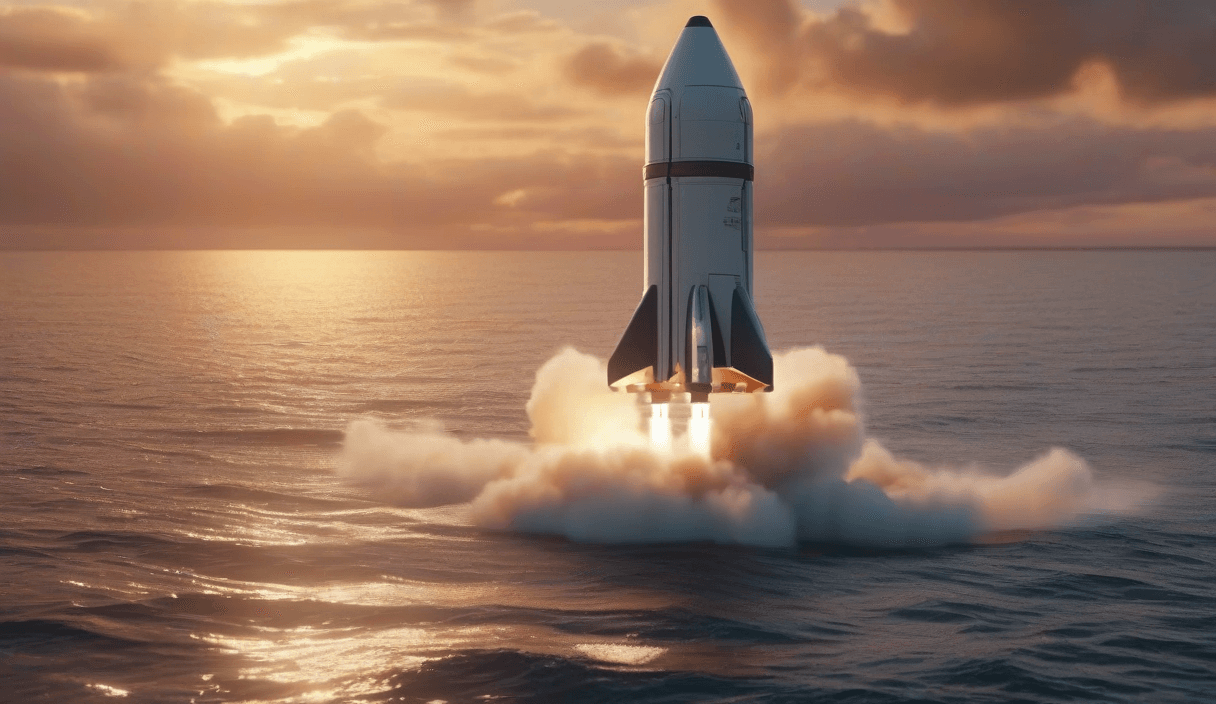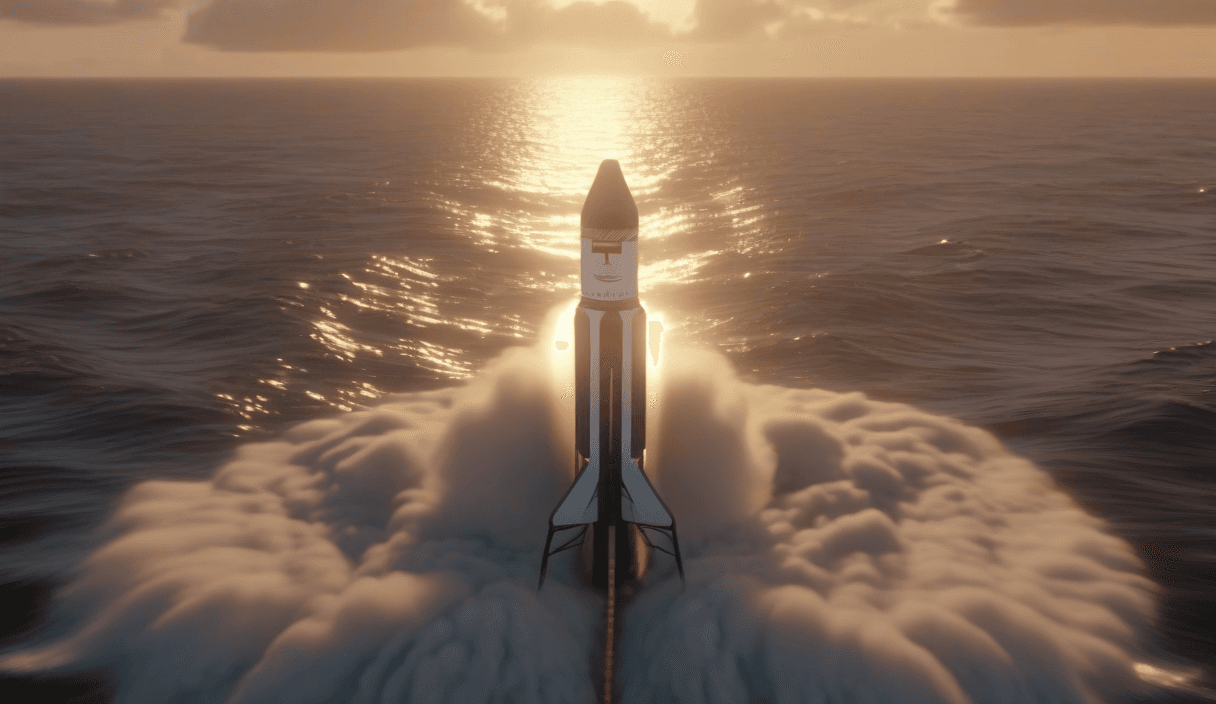
What if getting to orbit cost the same as a transatlantic flight? That question used to be science fiction. Today, it's a balance sheet reality. Reusable rocket technology has slashed launch costs by 58% since 2015, turning the most expensive part of spaceflight into a repeatable operation. The Falcon 9 didn't just land a booster; it landed a new economic model for the entire industry.
The Math That Changed Everything
Traditional expendable rockets are like throwing away a 747 after every flight. A Falcon 9 first stage represents roughly 60% of the vehicle's cost. Recovering and reflighting that stage shifts the marginal cost of launch from $62M to under $28M for commercial customers. SpaceX's internal cost is reportedly below $15M per flight. The economics only work with high cadence — each booster must fly 10+ times to amortize refurbishment and recovery infrastructure. As of 2026, the fleet leader has 23 flights. The math holds.
| Metric | Expendable (2015) | Reusable (2026) | Change |
|---|---|---|---|
| Cost to LEO per kg | $5,400 | $2,270 | -58% |
| Booster flights before retirement | 1 | 15-20+ | 15x+ |
| Turnaround time (record) | N/A | 21 days | New capability |
| Annual launch capacity (global) | ~90 | 200+ | 2.2x |
Engineering the Return
Landing a 14-story cylinder moving at Mach 10 requires solving three problems simultaneously: precision guidance, thermal management, and structural margins. The Falcon 9 uses grid fins for aerodynamic control during descent, cold gas thrusters for roll authority, and a single Merlin 1D engine for the final landing burn. The boost-back or entry burn bleeds velocity; the landing burn nulls it at touchdown. Every component is designed for 10 flights without major refurbishment, 100 with periodic overhaul. Heat shielding on the octaweb and base protects engines during reentry. Landing legs deploy at the last second — dead weight until then.
The Transport Layer for Exploration
Reusable rockets don't solve radiation shielding, life support, or in-space propulsion. They solve the access problem. NASA's Artemis program, commercial LEO stations, and Mars architecture all depend on cheap, frequent lift. Starship aims to push marginal cost below $100/kg — a 100x improvement over Shuttle. That changes mission design from "minimize mass at all costs" to "launch volume and iterate." You can send spare parts, fuel depots, and redundant systems. Exploration becomes logistics, not heroics.
"They do not solve every problem, but they reduce the cost and friction of getting hardware into space, which is a major advantage for missions beyond low Earth orbit.
— Industry analysis, June 2026
Reliability: Flight-Proven vs. Factory-Fresh
Critics argue reused hardware carries hidden fatigue. Data says otherwise. Falcon 9 boosters have a 99.2% success rate across 300+ flights. The first flight of a new booster carries slightly higher risk — infant mortality — than a booster with 5-10 flights where manufacturing defects have already revealed themselves. SpaceX's "flight-proven" designation now commands premium insurance rates. NASA and DoD both certify reused boosters for high-value payloads. The debate has shifted from "is it safe?" to "how many flights before mandated teardown?"
⚠️
WarningEnvironmental impact scales with cadence. 200+ annual launches inject soot and alumina directly into the stratosphere, where particles persist for years. Climate models suggest measurable warming if launch rates hit 1,000/year without cleaner propellants.
Sustainability Beyond the Booster
Full reusability — Starship's goal — eliminates upper stage waste. Methane/oxygen burns cleaner than kerosene, producing less soot. But volume is the real lever. Replacing 10 expendable launches with 1 reusable flight carrying the same payload mass cuts emissions per kg to orbit by 90%. The industry is standardizing on methane (Blue Origin, Relativity, SpaceX) partly for this reason. Regulatory frameworks lag; the 2025 Montreal Protocol amendment process may add launch-specific provisions.
✦
What This Means for Your Project
If you're building space hardware in 2026, design for volume, not minimum mass. Standardize on ESPA Grande or larger form factors. Budget for rideshare on Falcon 9 or Starship — dedicated small launch is a niche. Test early, iterate fast; a failed $28M launch is a data point, not a program killer. And track the regulatory landscape: orbital debris rules, spectrum allocation, and atmospheric impact assessments will shape deployment timelines as much as physics.
💡
TipAction item: Model your mission at three price points — $2,500/kg, $1,000/kg, $200/kg. If the architecture changes radically at the lower tiers, you're building for the right future.