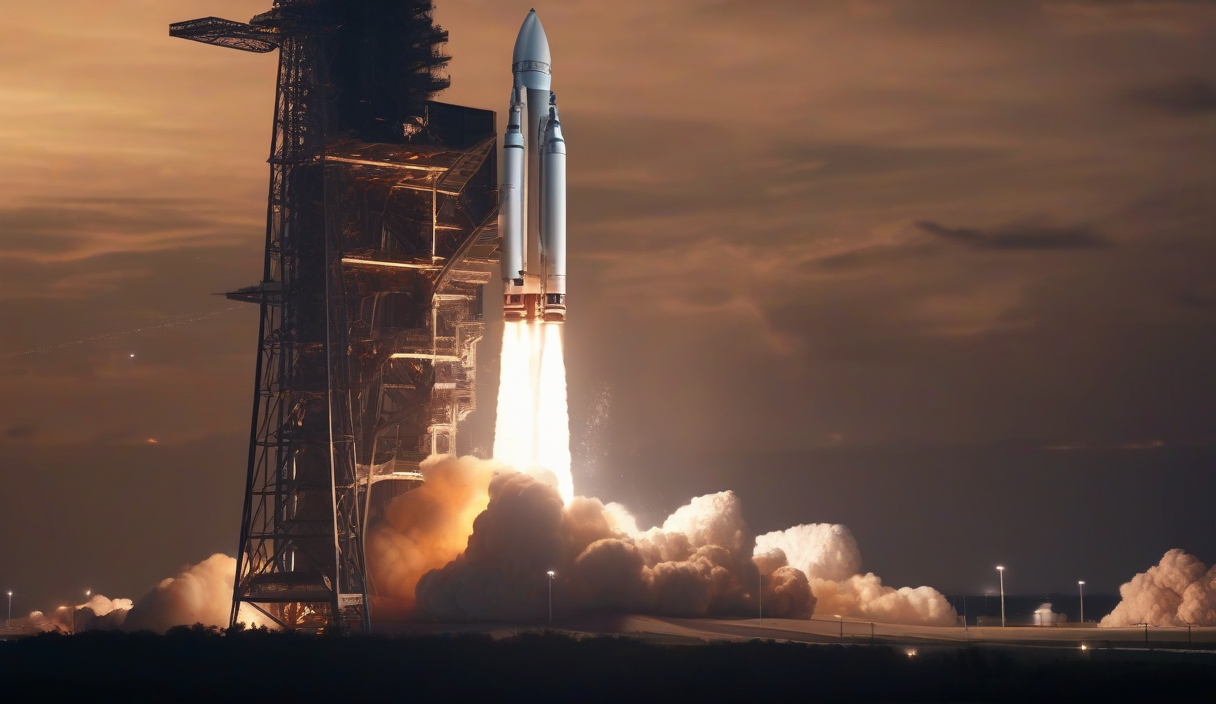
Booster recovery is no longer a headline. It's the baseline. As of mid-2026, landing a first stage is routine for SpaceX and increasingly common for Rocket Lab, Blue Origin, and Chinese commercial players. But the census reveals a harder truth: landing is not reusability. Reflight is. And that gap defines the current economics of orbit.
The Census Numbers
| Operator | Vehicle | Recoveries (Cumulative) | Reflights (Cumulative) | Reflight Rate |
|---|---|---|---|---|
| SpaceX | Falcon 9 | 350+ | 320+ | 91% |
| Rocket Lab | Electron | 12 | 0 | 0% |
| Blue Origin | New Glenn | 1 | 0 | 0% |
| CAS Space | Kinetica-1 | 1 | 0 | 0% |
| LandSpace | Zhuque-2 | 0 | 0 | N/A |
SpaceX dominates not because they land boosters, but because they turn them around. The average Falcon 9 booster flies 4.2 times. One airframe, B1062, has flown 22 missions. The fleet leader has 24. No other operator has reflown a single orbital-class booster. The census makes clear: recovery infrastructure is spreading; propulsion-grade reuse remains a SpaceX monopoly.
"Landing is a physics problem. Reflight is an engineering, logistics, and economic problem. We solved physics. The industry is still solving the rest.
— Gwynne Shotwell, SpaceX COO
Why Reflight Stalls
Three barriers separate recovery from routine reflight. First, inspection depth. A landed booster isn't flight-ready. SpaceX developed automated NDT (non-destructive testing) for Merlin turbines, combustion chambers, and avionics that takes hours, not weeks. Competitors still rely on manual teardown. Second, requalification paperwork. Every component needs a flight rationale. SpaceX built a digital thread linking manufacturing data to flight telemetry to post-flight inspection. Others use PDFs. Third, cadence. You need a launch manifest dense enough to justify the standing army of refurbishment technicians. Only Starlink provides that demand signal.
💡
TipWatch Rocket Lab's Neutron and Blue Origin's New Glenn second flights. Their reflight timelines will reveal if they've cracked the inspection/requalification loop or just the landing.
The Cost Curve Reality
Falcon 9's marginal launch cost is estimated at $15-20M. List price: $67M. That delta funds Starlink deployment and undercuts every competitor. But the census shows a trap: without high cadence, per-unit refurbishment cost exceeds new-build. Electron's recovery program costs more per kg than expendable launches because they fly monthly, not daily. Reusability economics only close at tempo.
What Changes Next
Three developments will shift the census by 2027. Starship orbital refueling demonstration: if Ship-to-Ship propellant transfer works, the upper stage becomes reusable, closing the last expendable loop. Neutron and New Glenn second flights: both are designed for 10+ flights from day one, not retrofitted like Falcon 9. European THEMIS and Chinese Long March 10A demonstrators: state programs finally testing propulsive landing at scale. The physics is solved. The supply chain, software, and cadence are the frontier.
✦
ℹ️
NoteTrack the census yourself: SpaceX launch manifests (nextspaceflight.com), Rocket Lab investor presentations, Blue Origin NSF forum threads, Chinese launch announcements (CASC/CASIC WeChat). The data is public. The pattern is clear.
Reusable rockets have arrived. Reusable spaceflight hasn't. The difference is measured in reflight rates, not landing videos. If you're building payloads, budget for Falcon 9 pricing but design for Starship volume. If you're investing, watch reflight cadence, not recovery attempts. The census will update in six months. The gap will either narrow or harden into structural advantage. Your move.