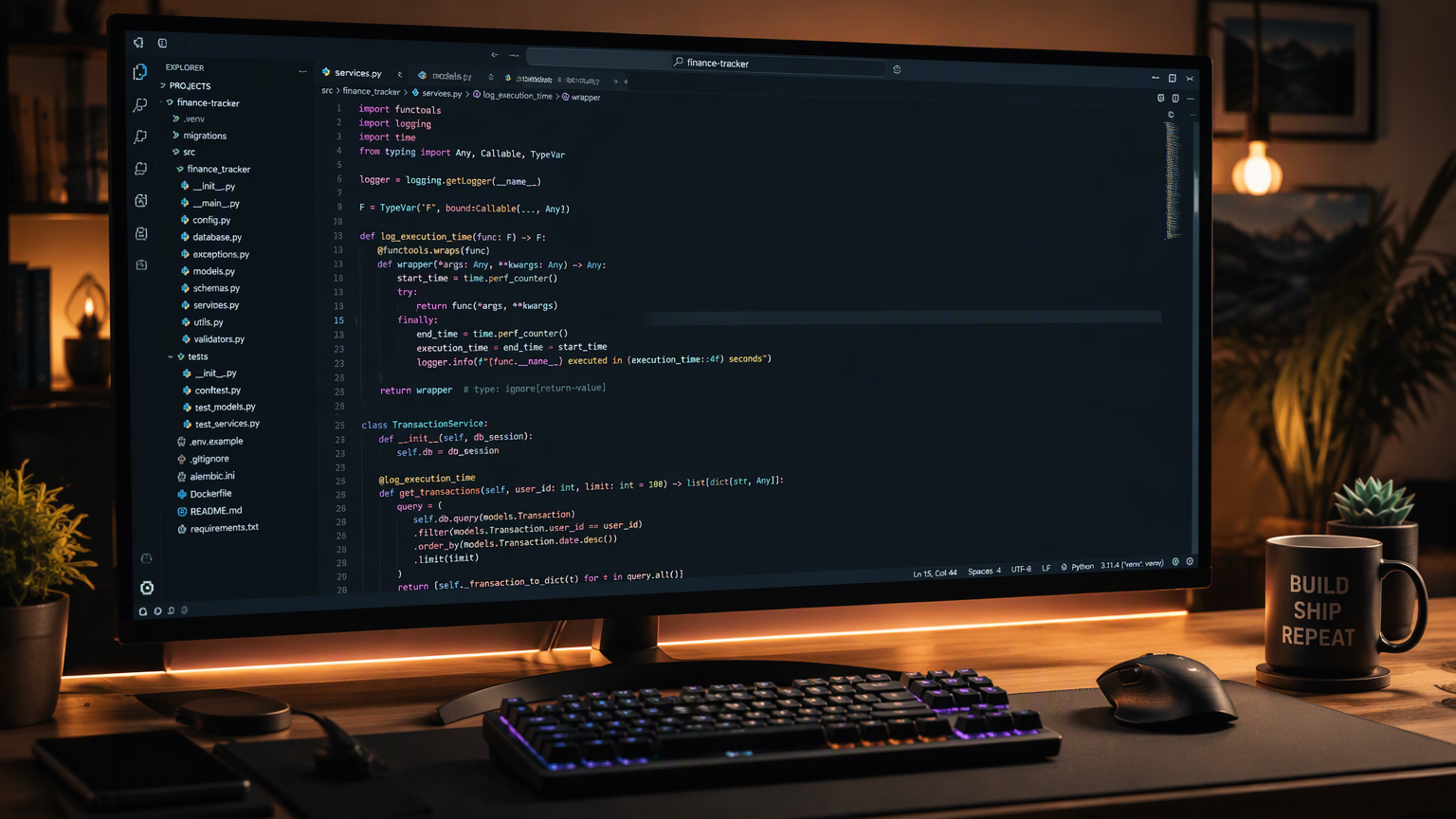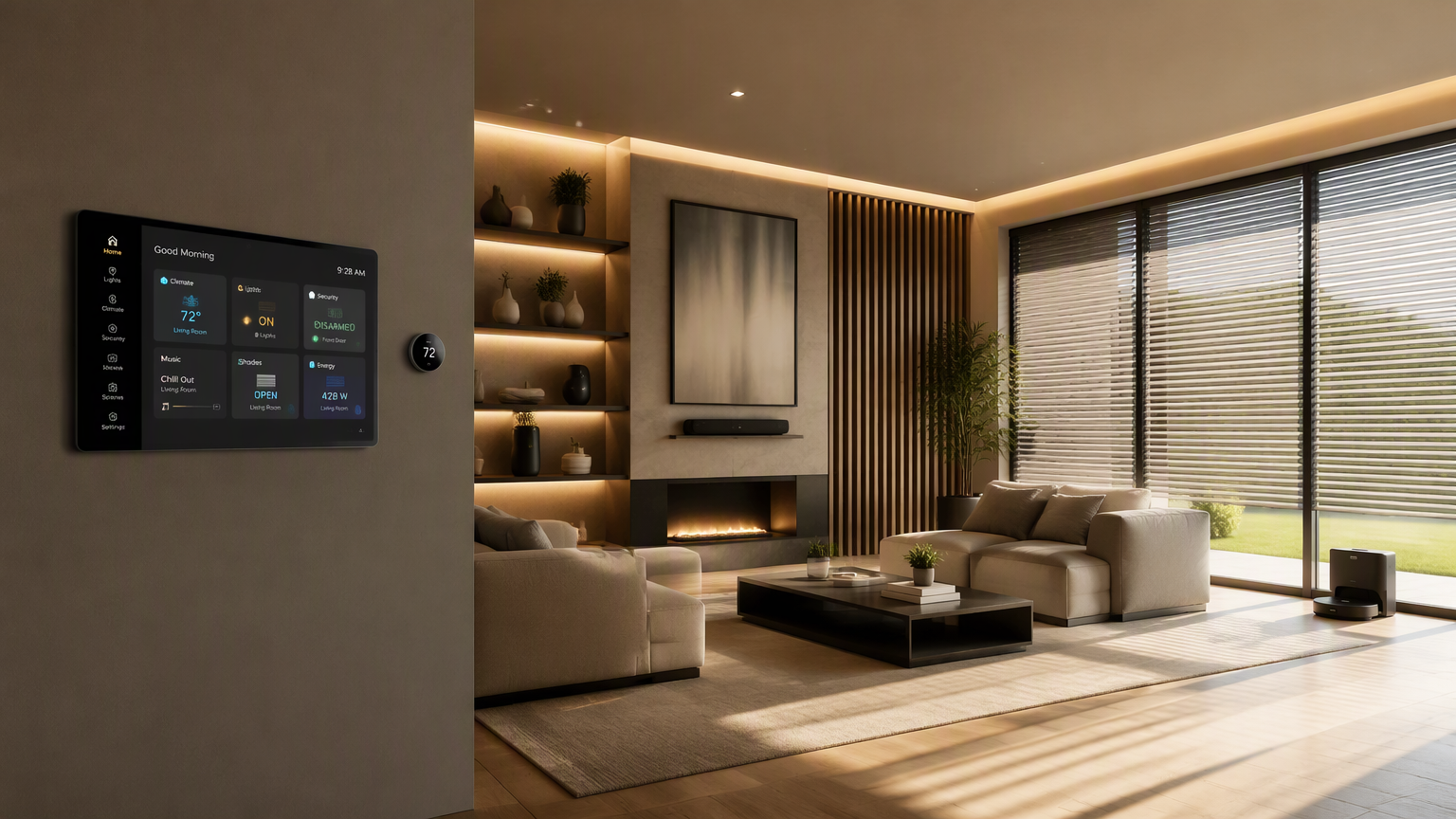
You walk in the door and the lights ramp up, the thermostat settles at 71, and your favorite playlist starts — all without touching a switch. That's not a demo video. That's a Tuesday in a house running Home Assistant on a Raspberry Pi 5 with Thread border routers on every floor. The gap between "smart" marketing and actual automation is narrower than ever, but only if you skip the walled gardens and build on open standards.
Pick Your Protocol Stack First
Matter over Thread is the baseline for 2024. It gives you local control, sub-100ms latency, and no cloud dependency for basic automations. Zigbee still wins for sensor density and battery life — Aqara and Sonoff devices run years on coin cells. Z-Wave remains the lock and garage standard in North America. Wi-Fi/Bluetooth devices (Tuya, Meross, Govee) are fine for lamps and strips, but they congest 2.4 GHz and often need vendor clouds for setup. Run at least two radios: a Thread border router (SkyConnect or Home Assistant Yellow) and a Zigbee coordinator (Sonoff ZBDongle-E).
| Protocol | Best For | Typical Latency | Cloud Required? |
|---|---|---|---|
| Matter/Thread | Lights, switches, sensors | <100ms | No |
| Zigbee | Sensors, buttons, valves | 50-150ms | No |
| Z-Wave | Locks, garage, heavy relays | 100-300ms | No |
| Wi-Fi/BLE | Strips, plugs, IR blasters | 200-500ms | Often |
💡
TipBuy dual-radio dongles (Thread + Zigbee) to future-proof. The Sonoff ZBDongle-E supports both via firmware swap.
Hub Choice: Local-First or Bust
Home Assistant (HA) is the de facto standard for a reason: 3,000+ integrations, zero mandatory cloud, and an automation engine that handles complex state machines. Run it on a Raspberry Pi 5 (8GB) with an M.2 NVMe hat — boots in 12 seconds, survives power cuts, and costs ~$120 total. Home Assistant Yellow ($199) adds built-in Thread/Zigbee and eMMC. Avoid cloud-dependent hubs (SmartThings, Wink, older Hue bridges) as primary controllers; relegate them to bridge roles only.
Five Weekend Automations That Pay Off
1. Adaptive Lighting. Sync color temperature to circadian rhythm — 6500K at noon, 2700K after sunset. HA's Adaptive Lighting integration handles this natively.
2. Presence-Aware HVAC. Combine phone trackers, room occupancy sensors (mmWave > PIR), and calendar data. Heat/cool only occupied zones. Saves 15-25% on bills.
3. Leak Shutoff. Water sensors under sinks, water heater, washing machine → Zigbee valve controller on main line. Test quarterly.
4. Package Guard. Doorbell camera + object detection (Frigate + Coral TPU) → announce on speakers, flash porch light, log snapshot to NAS.
5. Energy Dashboard. Shelly EM or Emporia Vue on main panel + per-circuit CTs. Automate heavy loads (EV charger, water heater) to off-peak rates.
⚠️
WarningNever automate safety-critical systems (fire suppression, medical devices) without hardware failsafes and manual overrides.
Voice Control That Doesn't Spy
Ditch Alexa/Google for primary control. Use Wyoming Satellite (ESP32-S3 boxes) with OpenWakeWord for "Hey Jarvis" detection, Piper for TTS, and Whisper.cpp for STT — all local, all offline. Connect to HA via Wyoming protocol. Latency: ~800ms end-to-end. Privacy: absolute. Cost: ~$35 per room. Keep one Echo Dot in the kitchen for timers and Spotify if you must, but isolate it on a VLAN with no HA access.
"The best smart home is the one you forget exists until it saves you money or prevents a disaster.
— Every HA veteran ever
Privacy & Network Hygiene Checklist
✅ VLAN for all IoT (no internet access by default)
✅ Pi-hole/AdGuard Home for DNS blocking
✅ mDNS reflector across VLANs for Matter discovery
✅ WireGuard/Tailscale for remote HA access — no port forwarding
✅ Firmware updates via local OTA only (disable cloud OTA in device settings)
✅ Quarterly audit: `nmap -sS 192.168.10.0/24` to catch rogue devices
✅ Backup HA snapshots to NAS + encrypted cloud (Borg + rclone) daily
✦
ℹ️
NoteStart this weekend: Flash a Pi 5 with HA OS, pair one Thread light bulb and one Zigbee motion sensor. Build the "lights on at sunset if someone's home" automation. Ship it. Iterate. The smart home isn't a product — it's a practice.