AI-Powered PCs Are Redefining Productivity: What It Means for Everyday Users
Artificial intelligence has moved from data centers to the desktop, embedding intelligent assistance directly into the hardware that powers our daily tasks. Modern AI‑driven PCs combine faster neural processing units, adaptive software stacks, and cloud‑connected services to create a seamless productivity ecosystem that learns and evolves with the user.
For the average consumer, this translates into intuitive features such as real‑time language translation, context‑aware file organization, and predictive scheduling that can automatically prioritize emails, meetings, and creative workflows. Instead of manually managing distractions, the system anticipates needs, freeing mental bandwidth for higher‑order thinking.
Key technical advances include:
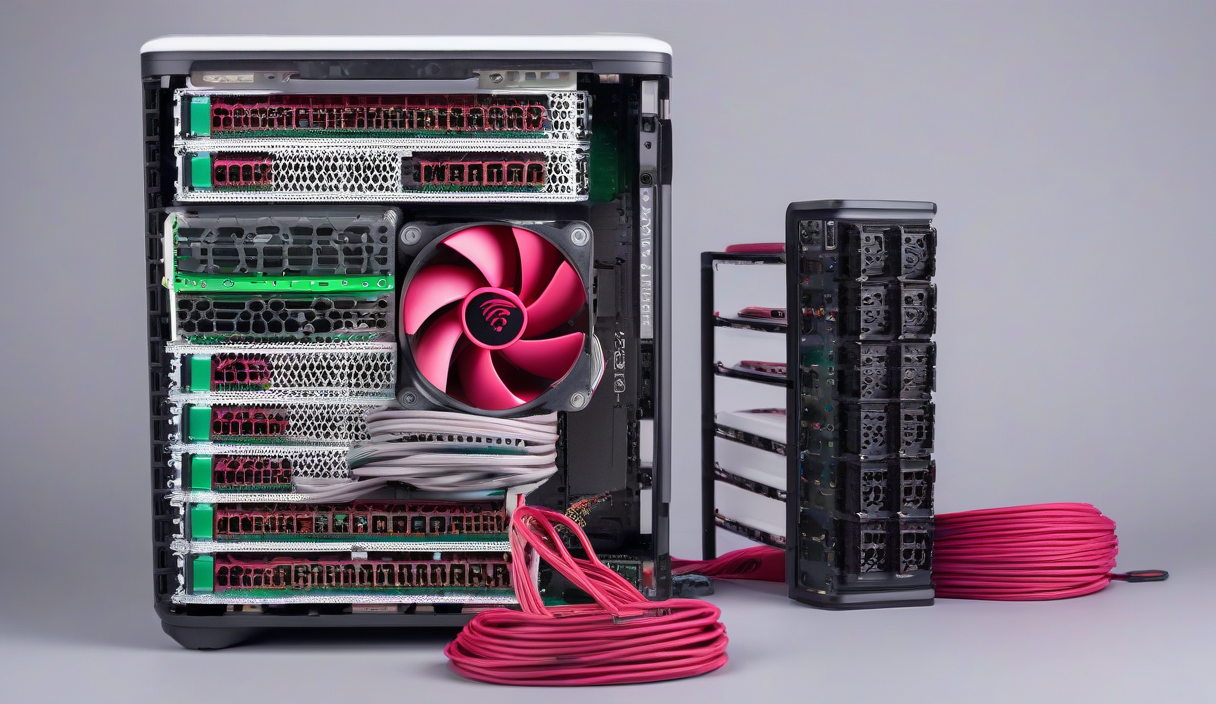
- Neural Processing Units (NPUs) that accelerate on‑device AI workloads, reducing latency and preserving privacy.
- Integrated large‑language‑model APIs that enable natural‑language interaction with applications, from drafting documents to generating code snippets.
- Smart resource allocation that dynamically balances CPU, GPU, and memory usage based on real‑time demand, extending battery life while maintaining performance.
Privacy and security also benefit from on‑device processing; sensitive data stays local, while optional cloud extensions add collaborative power without compromising user control.
Looking ahead, AI‑enhanced PCs are expected to become standard across devices, from high‑end workstations to entry‑level laptops, democratizing access to advanced productivity tools. As these systems mature, users can anticipate personalized digital assistants that understand individual work patterns, suggest optimal workflows, and even learn new skills autonomously, reshaping how we interact with technology in everyday life.