In 2024 the data‑science playbook has been rewritten. Companies no longer settle for static dashboards or batch‑oriented models. They demand AI agents that can reason, act, and learn in real time, turning raw streams into profit‑driving decisions. If you still think “Python + pandas” is enough, you’re already behind the curve.
Why Data Science Needs a 2024 Upgrade
The Four Pillars of a Future‑Ready Skill Set
1. Agentic AI & Prompt Engineering – Building and steering autonomous agents with large language models (LLMs) requires more than a one‑off prompt. You need systematic prompt design, few‑shot conditioning, and the ability to chain multiple agents together.
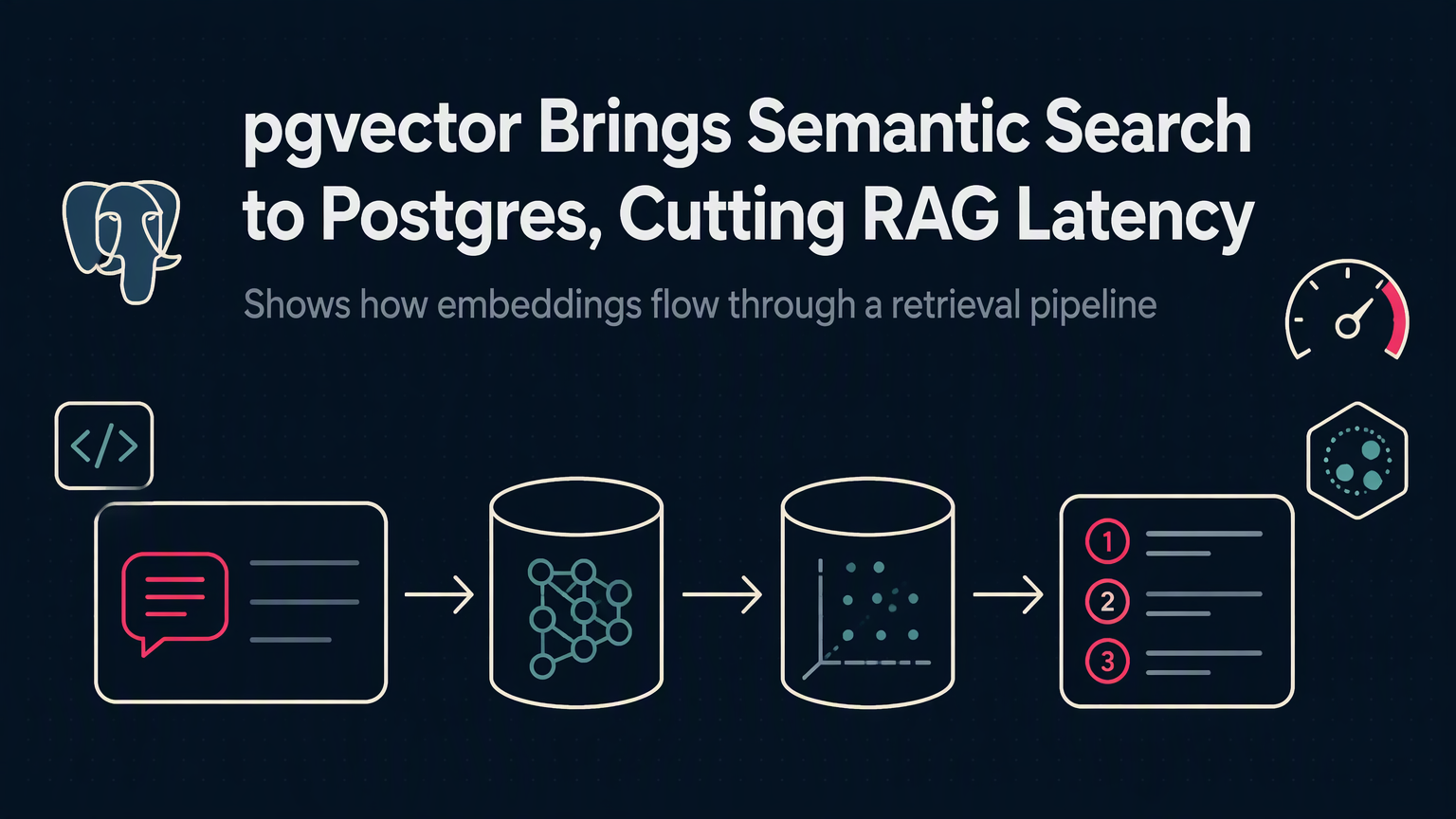
2. Vector‑Database Mastery – Retrieval‑augmented generation (RAG) hinges on fast, semantic search. Platforms like Pinecone, Qdrant, and AWS OpenSearch with k‑NN extensions are now core infrastructure.
3. Hyper‑Scale MLOps – Real‑time pipelines must survive feature drift, model decay, and compliance audits. Tools such as LangChain, Dagster, and Kubeflow let you version prompts, data, and containers side by side.
4. Business Insight & Leadership – Technical chops win the project; storytelling wins the budget. Translate model confidence intervals into revenue forecasts and risk matrices that executives can act on.
✦
Tooling Stack You Should Own
Below is a concise cheat sheet of platforms that have become de‑facto standards.
| Domain | Tool | Why It Matters |
|---|---|---|
| LLM Orchestration | LangChain | Unified chain of prompts, tools, and memory |
| Vector Store | Pinecone | Managed, low‑latency similarity search |
| Streaming Ingestion | Kafka / Pulsar | Guaranteed ordering at millions of events/sec |
| MLOps | Kubeflow + Argo | Git‑Ops pipelines for models and prompts |
| Visualization | Streamlit + Plotly | Rapid prototyping of AI‑driven UI |
"The best data scientists today are part engineer, part prompt‑designer, part business translator.
— Industry Survey 2024
Actionable Steps to Future‑Proof Your Career
• Build a RAG demo. Pull a public dataset, embed it in a vector store, and layer a LangChain agent that answers domain‑specific queries. Publish the repo and write a one‑page impact memo.
• Earn a certification in real‑time streaming. Platforms such as Confluent offer micro‑credential paths that validate Kafka expertise, a skill now listed on 78% of senior data‑science job ads.
• Practice prompt engineering. Use OpenAI’s “Chat Completion” playground to iterate on temperature, system messages, and few‑shot examples. Track metrics like token cost vs. answer relevance.
• Integrate AI agents into a business workflow. Pick a low‑risk process—expense report triage, ticket routing, or inventory alerting—and replace a manual step with an LLM‑driven decision node. Measure time saved and error reduction.
💡
TipDocument every experiment in a shared notebook. Future you (and future recruiters) will love the reproducible trail.
Wrapping Up
The data‑science landscape in 2024 rewards those who blend engineering rigor with generative‑AI fluency and a clear line of sight to business outcomes. Master the four pillars, adopt the listed stack, and follow the actionable roadmap above—then you’ll not only survive the shift, you’ll lead it.
ℹ️
NoteReady to level up? Start a side project that combines a LangChain agent, a Pinecone index, and a Kafka stream. Share your results on LinkedIn and watch the opportunities flow in.