In 2026 the line between indie hobbyist and AAA studio is blurring, and the secret sauce isn’t a bigger budget – it’s an AI‑augmented pipeline that can churn out photorealistic assets, adaptive narratives, and lean code at breakneck speed.
Why the Game‑Dev Landscape Is Shifting Faster Than Ever
Developers who cling to legacy tools are watching their projects stall while competitors ship live‑ops updates in hours, not weeks. The new standard stack – cloud‑native Unity 2026 LTS or Unreal 5.3, AI art generators, code assistants, and procedural content engines – is no longer optional; it’s the baseline for any title that wants to stay relevant on consoles, PCs, and the cloud.
Core Skills Every 2026‑Ready Developer Must Own
1. Prompt Engineering for Generative Media – Crafting concise, descriptive prompts for tools like Midjourney, Stable Diffusion, or Adobe Firefly is now a core art skill. Knowing how to iterate quickly, seed randomness, and batch‑export textures saves days of manual modeling.
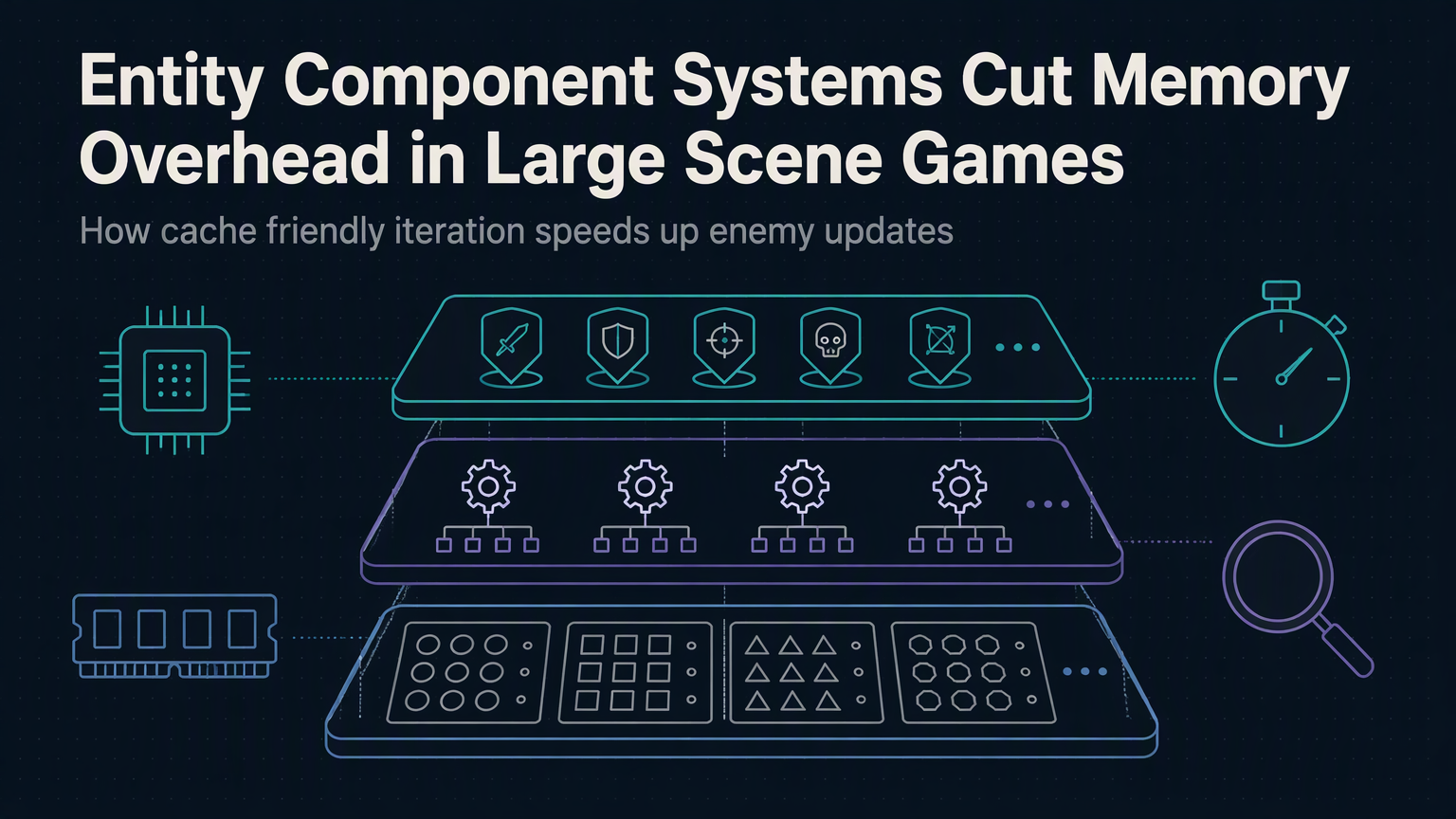
2. AI‑Powered Code Assistance – GitHub Copilot, Tabnine, and the emerging Unity CodeMate can autocomplete boilerplate, refactor legacy scripts, and even suggest performance‑friendly ECS patterns. Mastering their configuration and prompt syntax lets you focus on systems design instead of rote syntax.
3. Procedural World Generation – Tools such as Houdini Engine for Unity, Unreal’s World Partition, and open‑source noise libraries enable infinite terrain, dynamic quests, and on‑the‑fly level streaming. Understanding seed control, LOD pipelines, and runtime asset streaming is critical for maintaining 60 fps on next‑gen hardware.
4. Cloud‑Native Engine Integration – Both Unity 2026 LTS and Unreal 5.3 ship with built‑in multiplayer services, cross‑play matchmaking, and serverless back‑ends. Learn to configure these services, monitor latency, and deploy hot‑fixes via CI/CD pipelines on AWS or Azure.
5. VR/AR Toolkit Mastery – The Meta Quest 4, Apple Vision Pro, and Valve Index require platform‑specific input handling and performance budgets. Unity’s XR Interaction Toolkit and Unreal’s OpenXR plugins provide the scaffolding; you must fine‑tune shader complexity and frame‑time budgets for immersive comfort.
Toolchain Deep‑Dive
Unity 2026 LTS brings a modular AI layer that plugs directly into the Asset Store, letting you run diffusion models inside the editor. Pair it with Unity Reflect for cloud sync and you have a true collaborative studio environment.
Unreal 5.3 ups the ante with Nanite‑ready AI‑generated meshes and a built‑in monetization suite that can schedule sales, dynamic pricing, and A/B test micro‑transactions without leaving the editor.
ℹ️
NoteBoth engines now support “Live‑Ops as Code” – you write a script, push it to the cloud, and the change propagates to all running instances in seconds.
"The future of game dev is less about how many artists you have and more about how well you can amplify a single creator’s vision with AI.
— Lena Ortiz, Lead Tech Director at Nebula Studios
Putting It All Together: A Sample Production Flow
1️⃣ Sketch a concept and generate key art with a diffusion model. 2️⃣ Import the output into Unity, run the AI‑Asset Optimizer to create LODs automatically. 3️⃣ Use Copilot to scaffold gameplay scripts, then hand‑tune performance hotspots with the built‑in Profiler. 4️⃣ Build procedural levels with Houdini Engine, seed them from player behavior analytics. 5️⃣ Deploy the build to a cloud test farm, enable live‑ops scripts for dynamic pricing, and launch.
✦
Actionable Checklist for Your Next Project
- Set up an AI prompt library for art and texture generation.
- Integrate a code‑assistant plugin and define your style guide.
- Choose a procedural toolset and prototype a single level.
- Enable cloud‑native services (matchmaking, analytics) early.
- Add VR/AR input handling from day one.
- Configure the monetization suite for real‑time price experiments.
💡
TipStart small: a 2‑minute demo that uses AI art, Copilot‑generated code, and a procedural arena can validate the entire pipeline in under a week.
Mastering these skills doesn’t just future‑proof your studio – it turns AI from a novelty into a daily productivity partner. The next wave of games will be built faster, smarter, and more profitably than ever before. Are you ready to code the future?