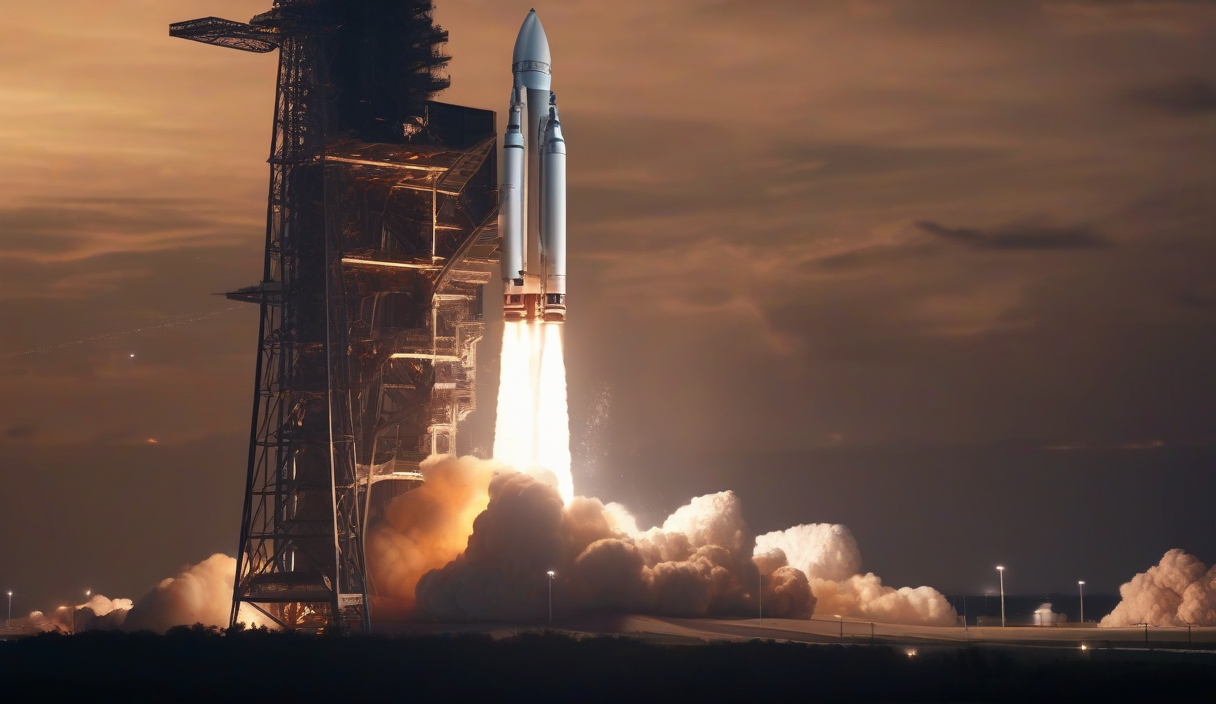
What if launching a satellite cost less than a transatlantic flight? That question stopped being hypothetical in 2026. Reusable rockets have turned orbital access from a national prestige project into a commercial utility, and the ripple effects are reshaping everything from climate monitoring to lunar logistics.
The Economics of Recovery
SpaceX's Falcon 9 proved the model: land the booster, refurbish, fly again. By mid-2026, a single first stage has flown 25 times. The marginal cost of a launch has dropped below $15 million—down from $60 million in 2020. Insurance premiums followed, falling 40% as flight heritage data accumulated. Customers now buy "launch slots" like airline seats, not bespoke missions.
"Reusability isn't about saving hardware. It's about buying back schedule margin.
— Gwynne Shotwell, SpaceX COO
Mission Planning Gets Agile
When launch is routine, spacecraft design changes. Engineers no longer optimize for a single shot at orbit. They build modular payloads, test in orbit, iterate. The European Space Agency's "Phoenix" program now flies technology demonstrators every 60 days instead of every 60 months. Defense agencies deploy replacement constellations in weeks, not years.
💡
TipDesign for "launch agnostic" payloads. Standardize mechanical and electrical interfaces to fly on any reusable vehicle—Falcon 9, Starship, Neutron, New Glenn—without redesign.
The Starship Inflection
SpaceX's fully reusable Starship changes the denominator. 150 tonnes to LEO for under $10 million per flight. That's $66/kg—cheaper than air freight per kilogram. Lunar base logistics, Mars cargo, orbital manufacturing: all shift from "feasibility studies" to procurement plans. NASA's Artemis program now baselines Starship HLS for sustained lunar presence, not flags-and-footprints.
| Vehicle | Payload to LEO (t) | Est. Cost/Flight | Cost/kg | Reuse Status |
|---|---|---|---|---|
| Falcon 9 | 22.8 | $15M | $658 | Partial (booster) |
| Falcon Heavy | 63.8 | $30M | $470 | Partial (boosters) |
| Starship | 150+ | <$10M | <$67 | Full (target) |
| New Glenn | 45 | $25M | $556 | Partial (booster) |
| Neutron | 13 | $18M | $1,385 | Partial (booster) |
Secondary Markets Emerge
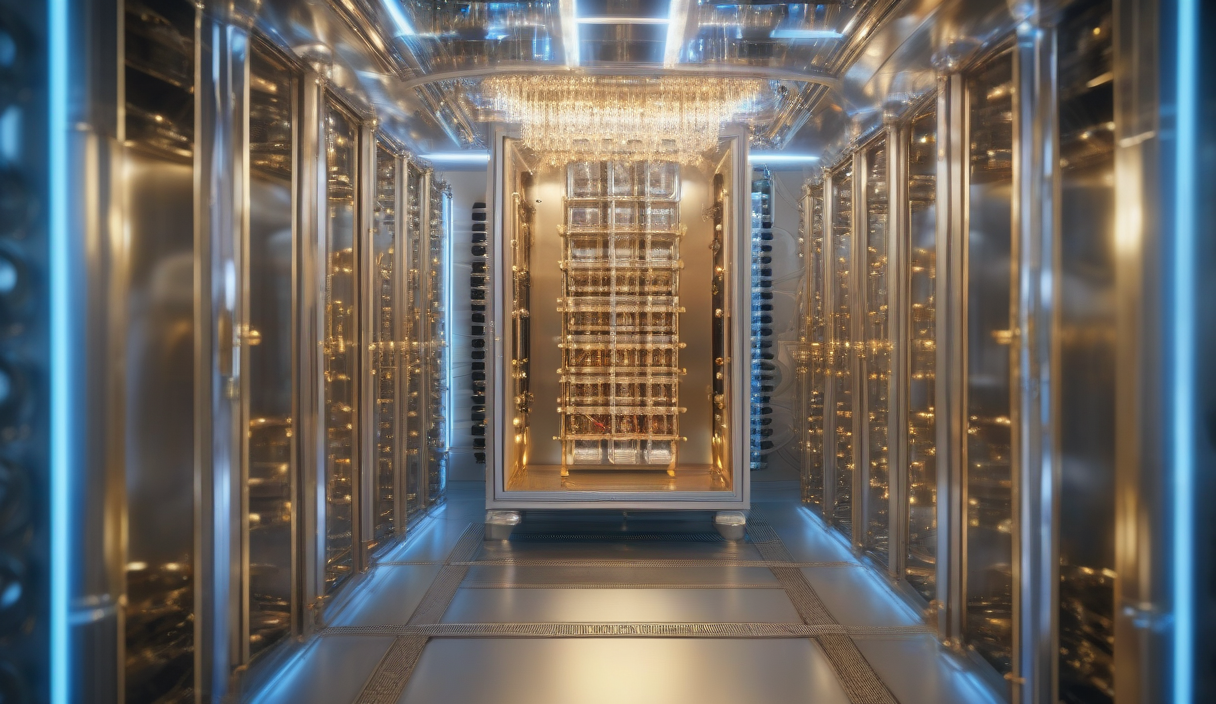
Cheap launch enables businesses that couldn't exist at $10k/kg. Orbital data centers using space cooling. In-space manufacturing of fiber optics and pharmaceuticals. Debris removal tugs with viable unit economics. The "launch" line item in a business plan has moved from top risk to rounding error.
ℹ️
NoteInsurance markets now offer "multi-flight" policies covering 10+ launches on flight-proven boosters, reducing premium volatility for constellation operators.
Remaining Bottlenecks
Pad throughput, not vehicle supply, is the new constraint. Cape Canaveral and Vandenberg handle 100+ launches/year each, but range safety, weather, and integration flow limit cadence. SpaceX's Starbase and Blue Origin's LC-36 aim for daily operations. Regulatory frameworks lag: FAA Part 450 licensing still assumes expendable cadence. International liability regimes haven't caught up to routine reentry over populated areas.
✦
Your Next Steps
If you're building space hardware in 2026, assume reusable launch. Standardize on ESPA Grande or similar separation systems. Budget for environmental qualification at higher vibration levels from reused boosters. Engage launch providers 18 months before need—not for availability, but for integration optimization. The question isn't "can we afford launch?" It's "what becomes possible when launch is free?"