Imagine walking into a house that anticipates your every move—lights dim as you settle into the couch, the thermostat nudges down the moment you leave, and your favorite playlist starts the second you say, "Hey, Alexa." That isn’t a sci‑fi plot; it’s the reality of modern smart home automation.
Why Automation Matters
Beyond the wow factor, automation tackles two core homeowner concerns: convenience and cost. By linking devices through a unified IoT hub, you eliminate the need to juggle multiple remotes, apps, or schedules. More importantly, data‑driven routines cut wasted electricity, translating into measurable savings on your utility bill.
💡
TipStart small: a smart plug can reveal which appliances are energy vampires before you invest in a full‑scale system.
Building Blocks of a Seamless System
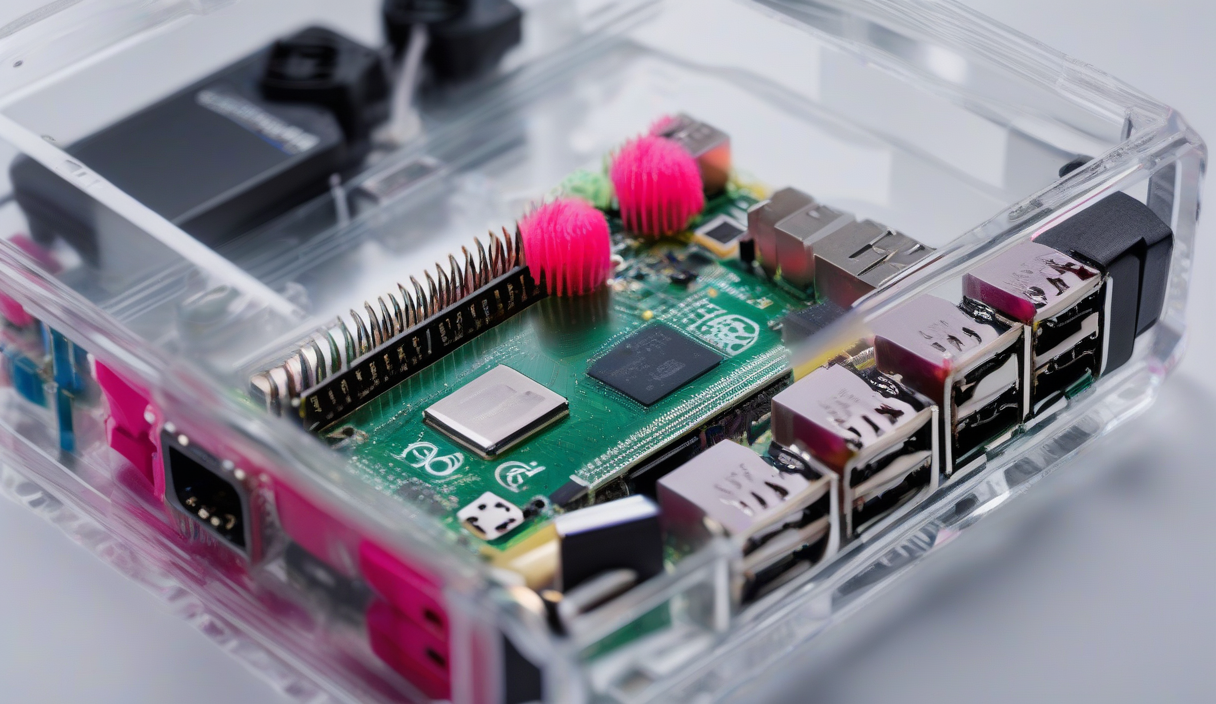
1. Central Hub – Acts as the brain, translating voice commands and app inputs into actions. Popular choices include Amazon Echo, Google Nest Hub, and Apple HomePod.
2. Standardized Protocols – Zigbee, Z‑Wave, and Matter ensure devices talk to each other reliably, reducing latency and compatibility headaches.
3. Energy‑Focused Devices – Smart thermostats, LED bulbs with dimming capabilities, and occupancy sensors are the low‑ hanging fruit for cutting waste.
"Automation is only as good as the data it collects.
— Jane Doe, IoT Analyst
Practical Automation Scenarios
Morning Routine: At 7 am, motion sensors trigger the bedroom lights, the coffee maker starts, and the thermostat shifts to a comfortable 72°F. All actions are logged, letting you see exactly how many watts were used.
Away Mode: When you leave, geofencing tells the hub to power down nonessential devices, lock doors, and set the HVAC to an energy‑saving temperature. If a window is left open, a sensor alerts you via push notification.
Nighttime Optimization: A single command—"Good night"—dims lights, lowers blinds, and arms the security system. The thermostat then enters an eco‑sleep schedule, reducing heating or cooling by up to 15%.
ℹ️
NoteMost smart hubs provide usage analytics dashboards; review them weekly to fine‑tune schedules.
Measuring Energy Savings
Modern hubs generate real‑time consumption reports. Compare baseline usage (pre‑automation) with post‑automation data to quantify savings. Many users report a 10‑30% reduction in electricity costs within the first three months.
✦
Actionable Steps to Get Started
1. Audit your current devices—note which can be swapped for smart equivalents.
2. Choose a hub that supports Matter for future‑proofing.
3. Install a smart thermostat and at least two smart plugs; monitor the energy dashboard for 30 days.
4. Create three core automations (morning, away, night) using voice assistants or the hub’s app.
5. Review analytics, adjust schedules, and expand to lighting, sensors, and security as confidence grows.
💡
TipSet up a weekly reminder to check your energy dashboard—small tweaks compound into big savings.