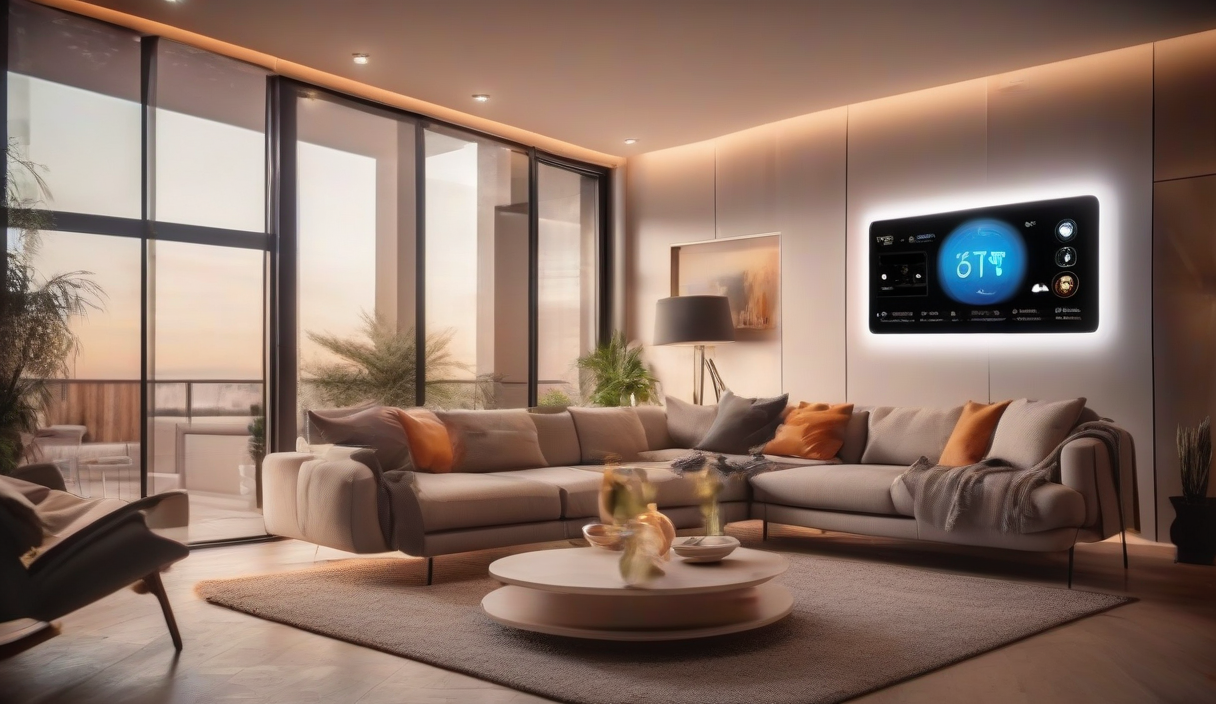
Your thermostat learns you're home before you unlock the door. Lights dim as the movie starts. The sprinkler skips Tuesday because rain hit the forecast at 3 AM. This isn't a demo house — it's what happens when IoT stops being a collection of gadgets and starts being infrastructure.
The Invisible Intelligence Shift
Walk through a 2026 smart home and you'll notice what's missing: hubs blinking on countertops, voice assistants on every shelf, apps for each brand. Intelligence has migrated into the fabric — sensors embedded in drywall, thread radios in light switches, local ML models running on doorbell chips. The 'smart' label has fallen off because the technology has disappeared into the walls.
"The best smart home technology is the technology you forget exists until it saves you money or prevents a disaster.
— Matter Working Group Chair, 2025 Summit
Three Architectural Shifts Driving 2026
First, Thread and Matter finally delivered on interoperability. Your Eve weather sensor talks to your Nanoleaf strips talks to your Yale lock — no bridge, no cloud dependency, no vendor lock-in. Second, local-first processing became non-negotiable. Camera person detection runs on the doorbell. Voice commands process on the speaker. Latency dropped from seconds to milliseconds; privacy risk dropped with it. Third, energy-aware automation moved beyond scheduling. Systems now negotiate with utility APIs in real time, shifting EV charging, water heating, and pool pumps to match grid carbon intensity and spot pricing.
| Layer | 2023 Approach | 2026 Standard |
|---|---|---|
| Connectivity | Wi-Fi/Zigbee/Z-Wave silos | Thread + Matter over Wi-Fi/Ethernet |
| Processing | Cloud-dependent | Local-first with cloud sync |
| Energy | Static schedules | Dynamic grid-aware optimization |
| Security | Per-device patches | Automated certificate rotation via Matter |
Sensors That See Context, Not Just State
Early smart homes reacted to binary triggers: motion detected → lights on. Modern deployments fuse mmWave presence, CO2 levels, humidity deltas, and power signatures to infer activity — cooking, showering, working, sleeping. A kitchen sensor suite knows you're simmering sauce (humidity spike + sustained 1800W induction draw) versus reheating coffee (30-second microwave pulse). It adjusts ventilation, preheats the dishwasher for post-dinner load, and suppresses 'left stove on' alerts because context says you're still there.
💡
TipDeploy mmWave presence sensors (like Aqara FP2 or Shelly BLU Motion) in zones, not rooms. Zone-level context beats room-level occupancy for automation precision.
The Automation Stack That Scales
Home Assistant remains the control plane of choice for serious deployments, but 2026 brought two shifts: Blueprint-driven automation replaces YAML spaghetti — shareable, version-controlled logic blocks for 'vacation mode,' 'party scene,' 'wildfire air quality response.' GitOps for home config treats automations as code: PR reviews for logic changes, automated testing against device simulators, rollback on failed deployments. Your house now has a CI/CD pipeline.
Security: Certificates Over Passwords
Matter's PKI model means every device ships with a unique certificate issued by a trusted Product Attestation Authority. No default passwords. No open ports. Commissioning proves device authenticity via cryptographic attestation, then rotates session keys daily. Revocation lists propagate through the fabric automatically. When a vulnerability hits a vendor's product line, compromised certificates are revoked at the root — devices lose fabric membership until patched. This is the first time consumer IoT has had enterprise-grade identity management without enterprise complexity.
⚠️
WarningLegacy Wi-Fi devices without Matter/Thread support remain attack surface. Isolate them on a dedicated VLAN with egress filtering. Plan replacement cycles for pre-2024 gear.
✦
Your 30-Day Connected Living Upgrade
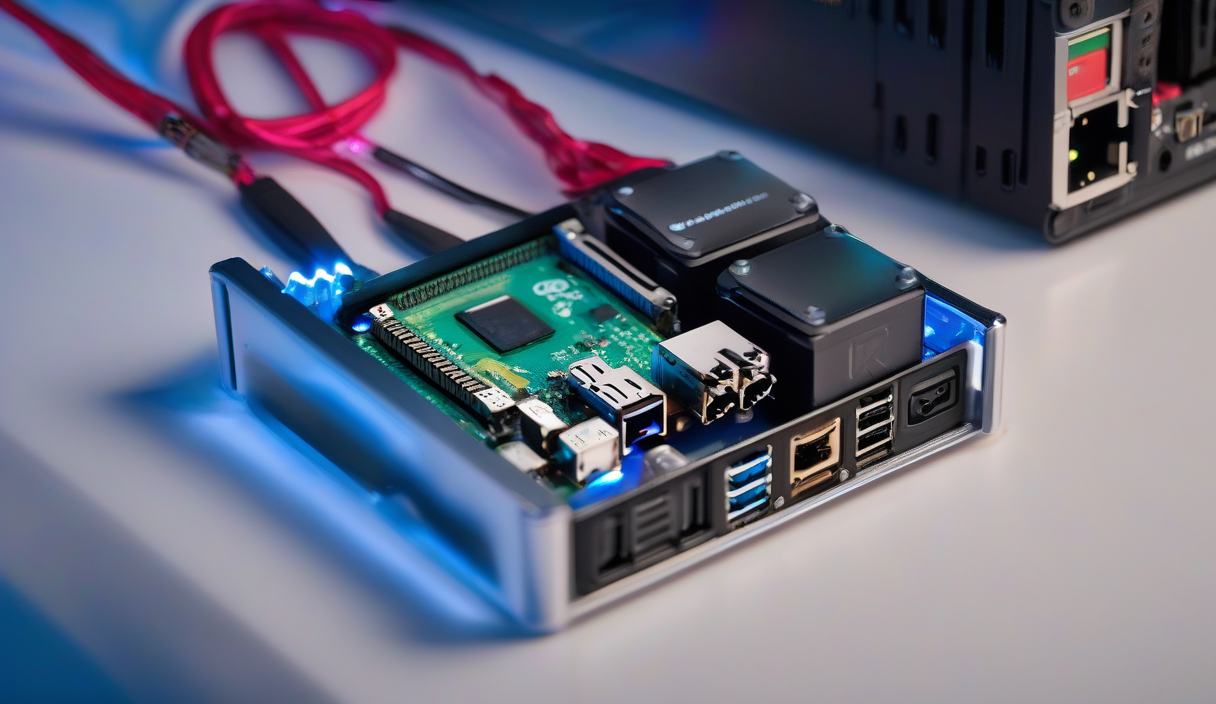
Week 1: Audit every connected device. Map vendor, protocol, cloud dependency, last firmware date. Flag anything pre-Matter without local API. Week 2: Deploy a Thread border router (Home Assistant Yellow, Apple TV 4K 2022+, or Google Nest Hub Max) and migrate one high-value zone — primary bedroom or living room — to Matter-over-Thread devices. Week 3: Implement one context-aware automation: bathroom exhaust triggered by humidity delta + occupancy, not just motion. Week 4: Enable grid-aware scheduling via your utility's API (or WattTime/OpenEI fallback). Measure baseline vs. optimized energy spend. Document. Iterate.
ℹ️
NoteStart with the zone where you waste the most energy or friction. ROI compounds when automation removes daily annoyances, not just novelty.