The Rise of Edge Computing: Redefining Web Development in 2025
Edge computing moves processing closer to the user, reducing round‑trip latency and offloading traffic from centralized clouds. In 2025 this paradigm becomes a baseline expectation for interactive web experiences
Why Edge Matters for Modern Web Applications
Developers now design applications to exploit geographically distributed nodes that act as mini‑servers at the network edge. This shift enables richer real‑time features, smoother streaming, and better handling of variable bandwidth
Architectural Paradigm Shifts
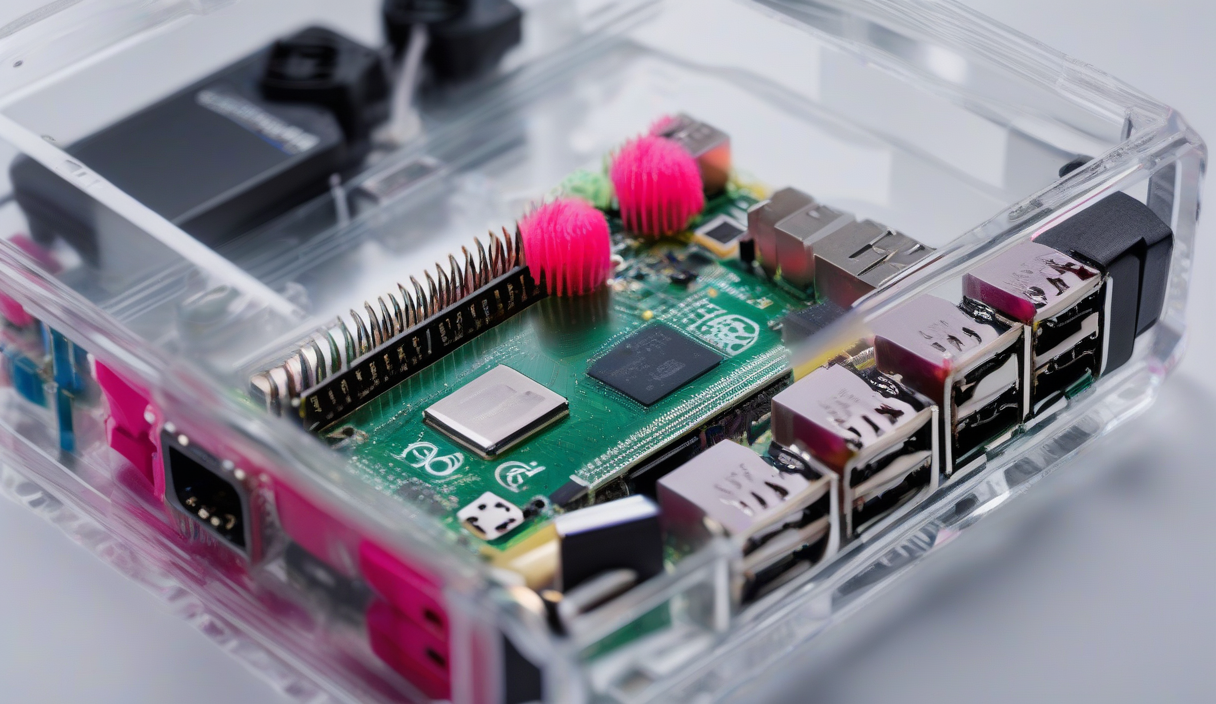
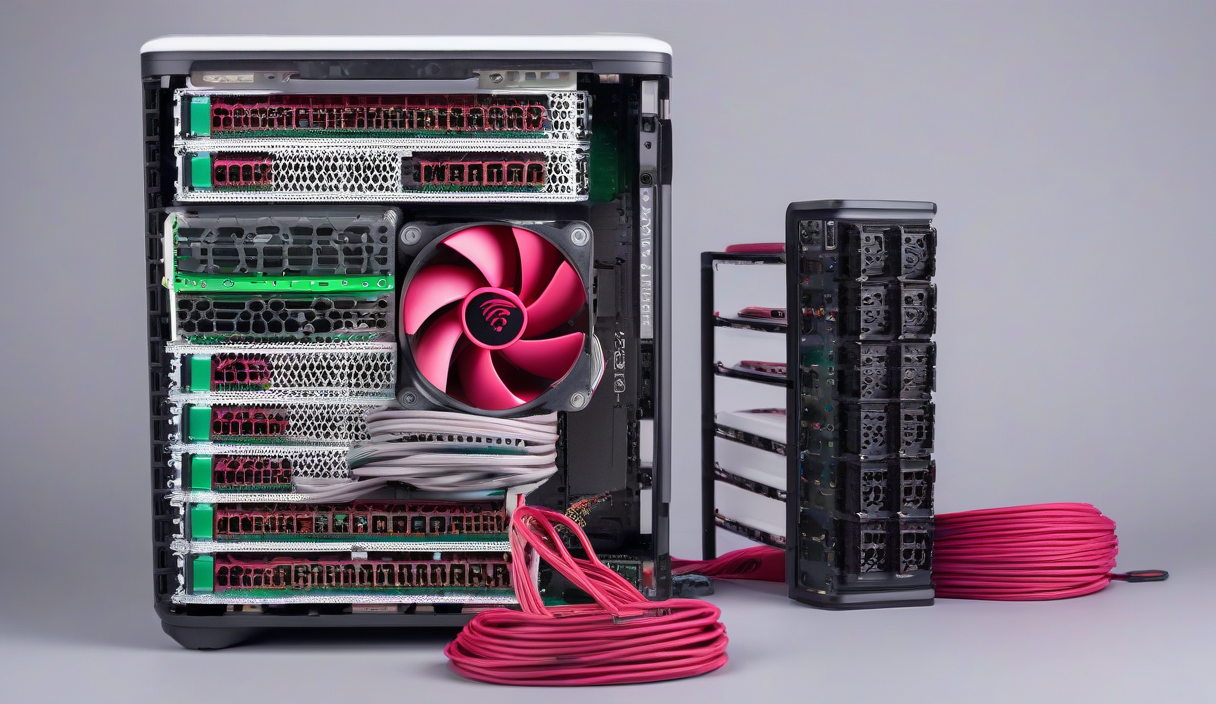
Traditional client‑server models give way to hybrid topologies where compute, storage, and networking resources sit at multiple edge sites. Frameworks such as WebAssembly runtimes and container‑native edge platforms simplify deployment across these nodes
Real‑World Implementations
- CDNs extending compute at edge locations to execute request‑level logic
- Serverless functions deployed on edge runtime providers like Cloudflare Workers and AWS Lambda@Edge
- IoT gateways processing sensor data locally to enforce privacy and reduce upstream bandwidth
Performance Gains and Latency Reduction
By serving content from the nearest edge node, applications achieve sub‑100 ms response times for users across continents. This speed boost translates into higher conversion rates and improved SEO rankings
Security Implications and Data Residency
Edge architectures enforce stricter data‑locality policies, allowing organizations to keep sensitive payloads within jurisdictional boundaries. However, the expanded attack surface requires robust identity management and zero‑trust controls
Challenges Developers Face
Managing distributed state, debugging across multiple environments, and ensuring consistent API contracts become critical. Tools that provide unified observability and edge‑aware orchestration are emerging to streamline these tasks
Future Outlook: Beyond 2025
Looking ahead, edge computing will integrate with AI inference pipelines, enabling on‑device personalization without sending raw data to the cloud. The convergence of edge, 5G, and quantum‑ready networks promises a new class of hyper‑responsive web services