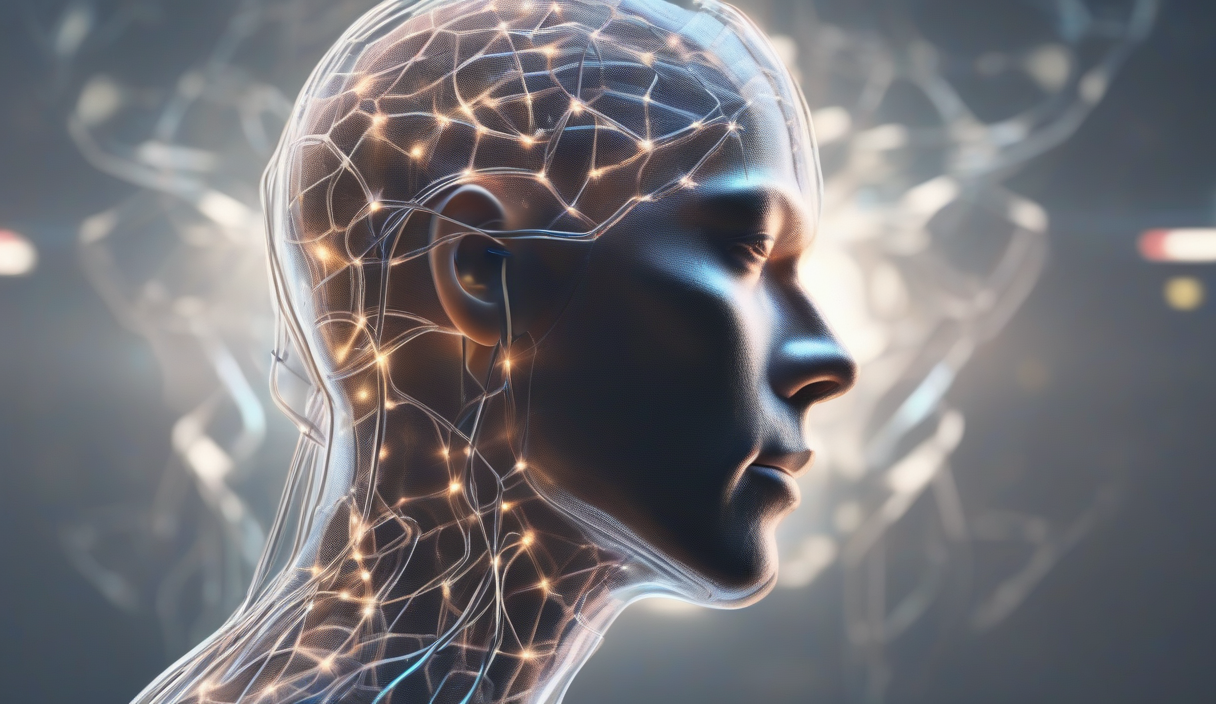
Imagine a fleet of microscopic robots navigating your bloodstream, hunting cancer cells with surgical precision while leaving healthy tissue untouched. This isn't science fiction—it’s the clinical reality unfolding in 2026 as nanomedicine finally bridges the chasm between lab bench and bedside.
From Theory to Phase III: The Scale-Up Inflection Point
After decades of promising mouse data, the field has hit a mechanistically aware inflection point. Researchers are no longer just proving nanoparticles *can* deliver drugs; they are engineering them for safe, reproducible scale-up. The 2025–2026 clinical cycle shows a surge in Phase I–III trials where pharmacokinetics, immunogenicity, and manufacturing consistency are designed in from day one, not patched in later.
"We stopped asking 'does it work in a dish?' and started asking 'can we make a million identical doses that survive the supply chain?'
— Dr. Elena V. Rodriguez, Director, Center for Translational Nanomedicine
Seven Vectors Reshaping Clinical Practice
The convergence of AI and nanomaterials is driving seven distinct breakthroughs this year:
| Domain | Breakthrough | Clinical Status |
|---|---|---|
| AI Diagnostics | Multiplexed nanosensors detecting 50+ biomarkers from a single blood draw | FDA Breakthrough Device designation |
| Drug Delivery | Stimuli-responsive polymers releasing payload only in tumor microenvironment | Phase III (NCT0598XXXX) |
| Gene Therapy | Lipid nanoparticles crossing blood-brain barrier for neurodegenerative targets | Phase I/II |
| Cancer Therapy | DNA origami nanobots performing logic-gated drug release | First-in-human |
| Virtual Hospitals | Wearable nanosensors streaming real-time chemo toxicity data | Deployed in 12 health systems |
| Precision Medicine | Patient-derived organoids screening personalized nanomedicine libraries | Reimbursement pilot |
| Manufacturing | Continuous-flow microfluidics producing GMP batches in hours, not weeks | Commercial scale |
💡
TipOncology leads adoption: 68% of 2026 nanomedicine trials target solid tumors, leveraging EPR effect enhancements and active targeting ligands validated in 2025 biomarker studies.
The AI-Nano Feedback Loop
Machine learning models trained on high-throughput screening data now predict nanoparticle–protein corona formation, immune clearance, and tissue distribution with >90% accuracy. This in silico–to–in vivo loop cuts lead optimization from 18 months to 6 weeks. Generative AI designs novel lipid chemistries for organ-specific delivery; robotic synthesis validates them overnight.
Safety First: The Mechanistic Mandate
Regulators now require mechanistic toxicity dossiers—not just LD50 data. Complement activation, Kupffer cell uptake, and endothelial translocation pathways must be mapped. The 2026 FDA guidance “Nanomaterial Risk Assessment Framework” mandates tiered testing: in vitro organ-chips → humanized mice → microdose human PET imaging before Phase I.
⚠️
WarningOff-target accumulation in spleen and liver remains the #1 cause of trial discontinuation. Surface PEGylation alone is insufficient; zwitterionic and cell-membrane coatings show superior stealth in 2025 head-to-head studies.
Action Plan for Clinical Teams
1. Audit your pipeline against the FDA’s tiered testing framework—gap analysis takes two weeks. 2. Partner with a microfluidics CDMO for GMP pilot runs; lock in continuous-flow capacity now. 3. Integrate AI corona-prediction tools into lead selection; open-source models (NanoPredict, DeepCorona) are production-ready. 4. Design trials with embedded nanosensor arms for real-time PK/PD—reimbursement codes exist for remote monitoring. 5. Engage patient advocacy groups early; nanobot logic-gated therapies need novel informed-consent language.
✦
The nanomedicine promise—precision, potency, safety—is finally cashing out in clinical data. Teams that master mechanistic design, AI acceleration, and scalable manufacturing will define the next decade of precision healthcare. The robots are in the bloodstream; the question is whether your program is ready to guide them.