The creative economy just hit a tipping point. Generative AI in creative industries surged to $5.38 billion in 2026, up 32.3% from 2025, and analysts project a blistering 27.1% CAGR pushing the market to $14.03 billion by 2030. This isn't incremental improvement—it's a fundamental rewrite of how content gets imagined, produced, and distributed.
From Experimentation to Production Infrastructure
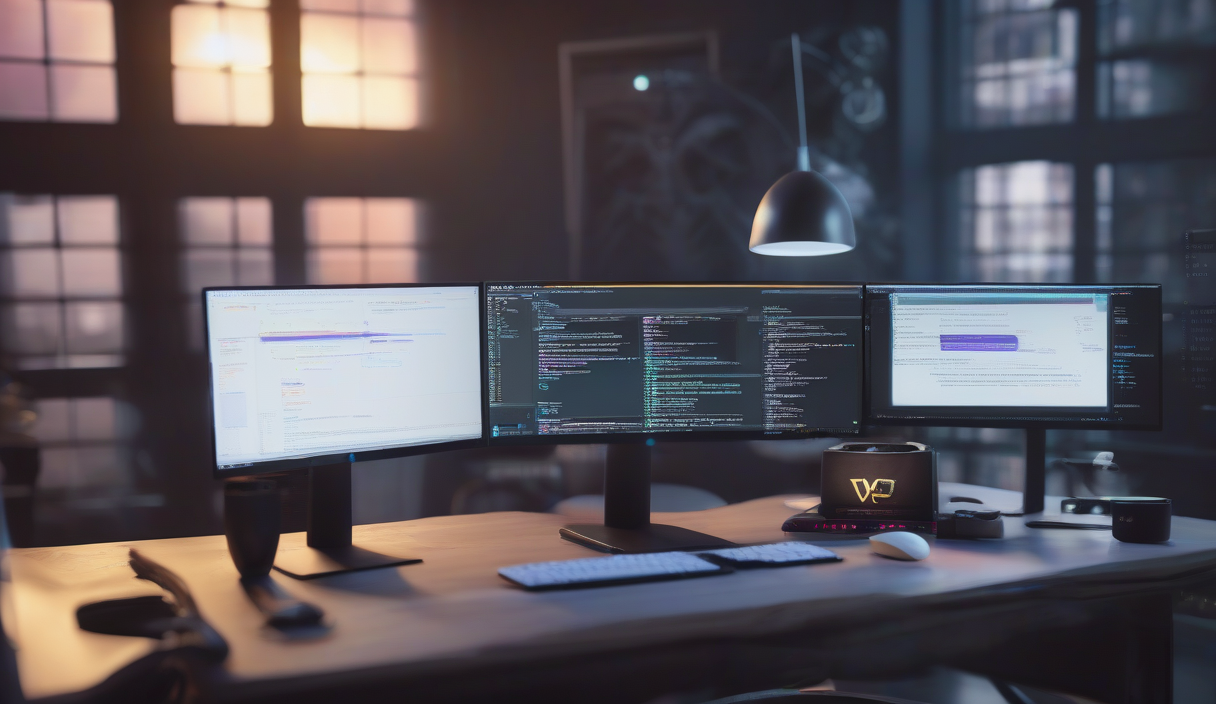
Early adopters treated tools like Midjourney, Runway, and Sora as novelty generators. By 2026, they're embedded in daily pipelines. Marketing teams cut storyboard-to-final-asset cycles from weeks to hours. Game studios generate texture variations, NPC dialogue, and level prototypes without expanding headcount. Video editors use AI rotoscoping and inpainting as standard steps, not special effects.
"The studios winning today aren't replacing artists—they're giving them infinite iterations at zero marginal cost.
— Creative Director, Major Gaming Studio
Four Shifts Defining 2026
Hyper-personalization at scale. Brands generate thousands of ad variants tailored to micro-segments—locale, device, time of day, purchase history—without human bottlenecks. Real-time media generation. Live streams and interactive experiences spawn assets on-demand: custom overlays, localized captions, dynamic product placements. AI as creative partner. Writers, designers, and composers iterate with models that suggest, refine, and version-control creative branches. Ethical workflows by default. Provenance tracking, bias audits, and opt-in training data become competitive differentiators, not compliance afterthoughts.
| Workflow Stage | Pre-AI Timeline | 2026 AI-Augmented | Key Tools |
|---|---|---|---|
| Concept Art | 3-5 days | 2-4 hours | Midjourney, Stable Diffusion, Adobe Firefly |
| Video Production | 2-4 weeks | 1-3 days | Runway Gen-3, Sora, Pika Labs |
| Copy Localization | 1-2 weeks | Minutes | ElevenLabs, HeyGen, Custom LLMs |
| Asset Variation | Days per variant | Seconds per variant | ComfyUI, ControlNet, LoRA adapters |
💡
TipStart with a single high-friction workflow—localization, asset variation, or storyboarding—and measure time-to-publish before scaling AI across the pipeline.
The Technical Stack Maturing Fast
Under the hood, diffusion models and transformer architectures converge. Multimodal models now handle text, image, video, and audio in unified latent spaces. ControlNet and IP-Adapter give precise spatial and stylistic control. LoRA fine-tuning lets brands lock visual identity with <100 reference images. RAG-enhanced LLMs ground copy generation in brand guidelines and legal constraints. The stack shifts from prompt engineering to pipeline engineering—version-controlled, testable, auditable.
⚠️
WarningCopyright risk remains real. Models trained on scraped data expose users to infringement claims. Audit training data provenance or use licensed datasets (Adobe Stock, Shutterstock, Getty) for commercial work.
Where the Money Flows
Enterprise spend concentrates on three layers: foundation model access (API credits, dedicated instances), tooling orchestration (ComfyUI, LangGraph, custom pipelines), and governance (watermarking, bias monitoring, rights management). Venture funding follows—$2.1B poured into creative AI startups in H1 2026 alone. The winners own the workflow integration, not just the model weights.
✦
Your 30-Day Action Plan
- Week 1: Map your content pipeline. Identify the top 3 stages consuming 80% of production time.
- Week 2: Run a controlled pilot. Pick one stage. Use a licensed model (Firefly, Runway Enterprise) with brand LoRA. Measure velocity, quality, and revision cycles.
- Week 3: Build governance. Define approval gates, provenance logging, and bias checklists. Automate with CI/CD hooks.
- Week 4: Scale the winning pilot. Document the pattern. Train two team members as AI workflow operators. Plan the next stage.
The market rewards speed, but sustainability demands structure. Start small, measure ruthlessly, expand deliberately.